
My first shacket was a $22 flannel one from Old Navy that I bought on a whim three years ago because I didn’t want to spend real money on something I assumed was a fad. I wore it so much that first fall the elbows started pilling by December. That’s when I learned the hard way that not all shackets are built the same, and it kicked off a slightly obsessive habit of testing different fabrics, cuts, and brands every year since.
If you’re standing in front of your closet trying to figure out what to wear when it’s 55 degrees at 8am and 70 by noon, a shacket solves that problem better than almost anything else in your closet. It’s heavier than a button-down but nowhere near as stifling as a coat, so you can leave it open, layer it, or button it all the way up depending on how the day shifts.
Below are the outfit combinations that have actually worked for me, along with the fabric, sizing, and care lessons I picked up the slow way, plus a buying guide broken down by budget so you’re not guessing.
What Actually Makes a Shacket Worth Buying?
A shacket needs enough structure to act like outerwear but enough softness to feel like a shirt against your skin. The fabric is where most cheap versions fail. A thin, single-layer cotton flannel might look identical in a product photo to a heavier brushed-cotton or wool-blend version, but it won’t hold up to actual wind, and it wrinkles the second you sit down in a car.
When I’m shopping now, I check three things before anything else: fabric weight (look for “brushed cotton,” “wool blend,” or “sherpa-lined” over plain “flannel”), button spacing (too far apart and it gapes at the chest when you move), and seam stitching at the shoulders, since that’s the first place a cheap one rips.
1. Pair It With Leather for an Edgier Look:
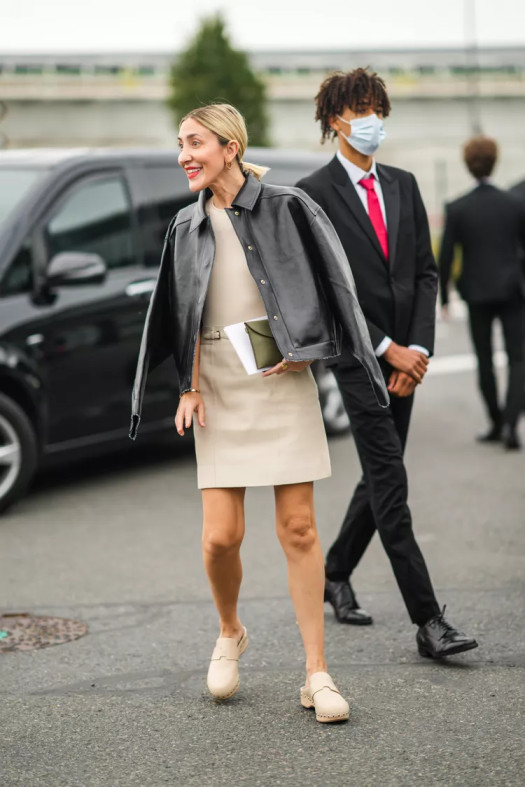
A leather shacket sits in a nice middle ground between a full leather jacket and something more casual. I wore mine, a faux-leather one from Zara, over a plain black tee and dark straight-leg jeans for a weekend trip to a city with actual fall weather, and it looked far more put-together than the $60 price tag suggested.
If you’re petite, look for a cropped leather shacket so it doesn’t overwhelm your frame. If you’re curvier, a slightly structured waist (some come with a thin belt loop detail) will define your shape instead of boxing it in.
2. Go Wide With Baggy Trousers:
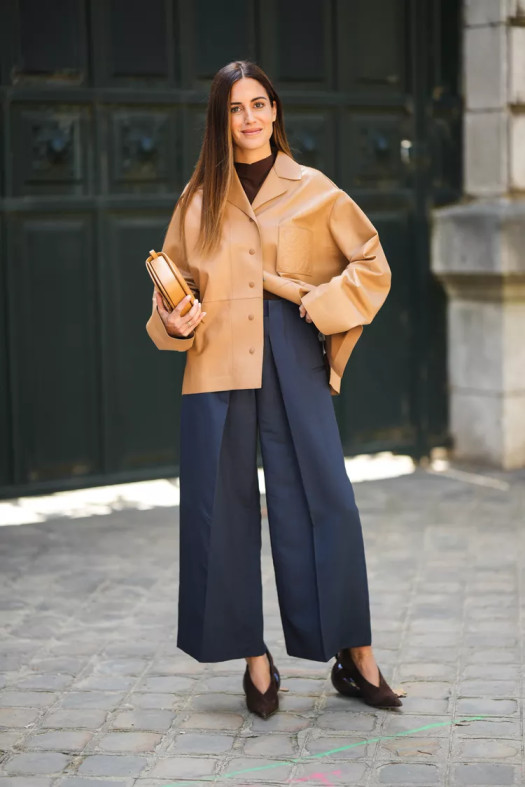
I resisted this combination for a long time because I assumed two loose pieces would just look like fabric stacked on fabric. It doesn’t, as long as one piece has some visual weight to anchor the outfit. Navy wide-leg trousers under a tan shacket works because the color contrast does the job that fit contrast usually does.
Tuck just the front of your top into the trousers before you put the shacket on. That small detail keeps the whole look from reading as shapeless, especially if you’re shorter and worried about being swallowed by volume.
3. Lean Into the Oversized Trend:

An oversized shacket over matching wide-leg jeans and a plain white tank is one of the easiest outfits to throw together on a day you don’t want to think. I was doubtful about heels with something this relaxed until I actually tried it, a pair of block heels rather than stilettos, and it instantly looked like an outfit instead of pajamas.
For anyone taller than 5’7″, this proportion works almost automatically. If you’re on the shorter side, roll the sleeves once and cinch the shacket at the waist with a thin belt so the oversized fit doesn’t overtake your whole frame.
4. Layer It Over a Cozy Sweater:

This became my go-to the week temperatures dropped into the 40s but I still wasn’t ready for a puffer. A wool-blend shacket over a chunky cable-knit sweater gives real warmth without the bulk a winter coat adds, and you can take the shacket off indoors and still look finished because the sweater is doing its own visual work underneath.
Buy the shacket one size larger than your usual fit if you plan to layer it over thicker knits regularly. I learned this after a wool shacket in my normal size pulled tight across the shoulders the moment I put a sweater underneath it.
5. Try a Monochrome Outfit With a Fun Shoe:

Monochrome gets dismissed as boring, but it’s genuinely one of the fastest ways to look styled without decision fatigue. A denim skirt with an oversized denim-toned shacket, then a pair of gold ankle boots to break up the color, is a combination that reads as far more intentional than it took to assemble.
Pick one loud element, never two. If the shoe is bold, keep the bag and any accessories neutral, or the eye won’t know where to land.
6. Wear It Over a Crop Top:

Crop tops don’t need to disappear once the weather turns. Layer a shacket over one and pair it with a midi skirt or wide-leg pants for coverage where you actually need it. I did this with a ribbed crop top and a corduroy midi skirt for a fall dinner and got asked twice where the skirt was from.
If you’re not fully comfortable with any midriff showing even briefly, size the shacket down slightly so it sits closer to your hip and covers the gap when you move.
7. Never Underestimate Classic Plaid:
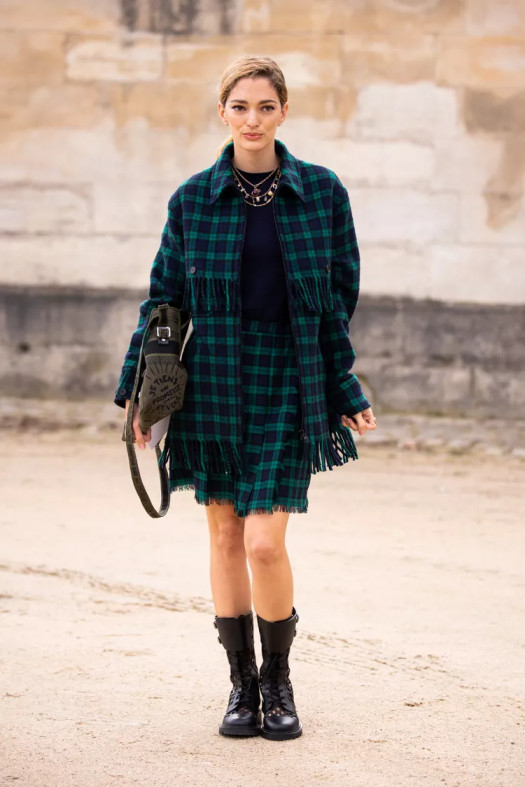
Plaid is the most common shacket print for a reason. A green-and-blue plaid with light fraying at the cuffs gives off a “back to school” feeling without looking costume-y, and it goes with almost every neutral you already own. This is the one I’d recommend buying first if you’re only getting one shacket, because it pairs with denim, khaki, black, and cream without a second thought.
8. Use a Cropped Version to Break Up an All-Blue Outfit:

An all-denim or all-blue outfit can look flat without something to interrupt it. A cropped plaid shacket layered on top does that job and adds a bit of extra warmth for windier days. I wear this combination on days I need to run errands and don’t want to overthink an outfit but also don’t want to look like I just grabbed whatever was closest.
9. Add a Vibrant Color:
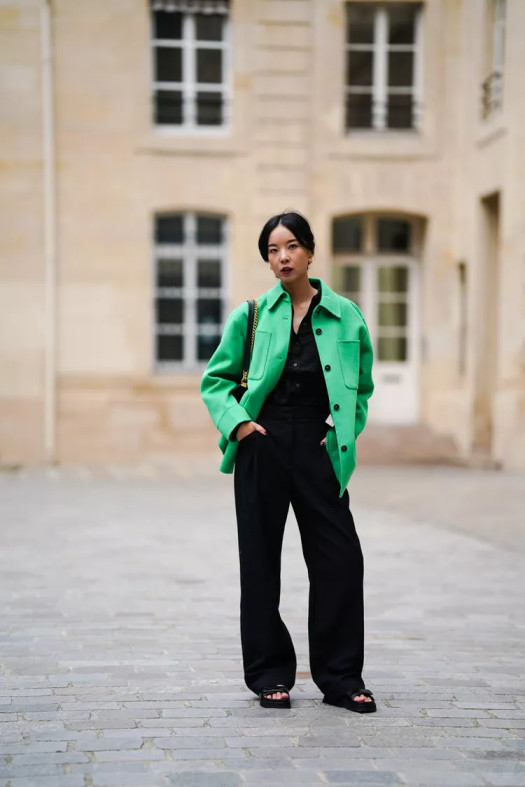
Black and neutral outfits are easy to lean on too often, especially once the weather turns. Swapping in a bright shacket, mustard, deep red, or emerald, fixes that without changing anything else about the outfit. This is the lowest-effort styling change on this entire list and probably the one I’d recommend trying first if you’re bored with your current fall rotation.
10. Try It As a Matching Set:

Matching sets remove the guesswork entirely because someone else already paired the colors for you. A purple set with a yellow-green top sounds like a strange combination on paper, but it works because the colors are unexpected rather than clashing. If you’re not confident mixing colors on your own yet, matching sets are the safest way to still look adventurous.
11. Mix Different Textures:

Snake and croc prints have stuck around for a few seasons now, and pairing a printed piece with a soft, solid shacket in a shade like butter yellow keeps the whole outfit from feeling too loud. The soft texture calms the print down without covering it up entirely. This works well if you already own one bold printed item and haven’t figured out how to actually wear it outside your house.
12. Add Some Sparkle, or Keep It Classic Denim:
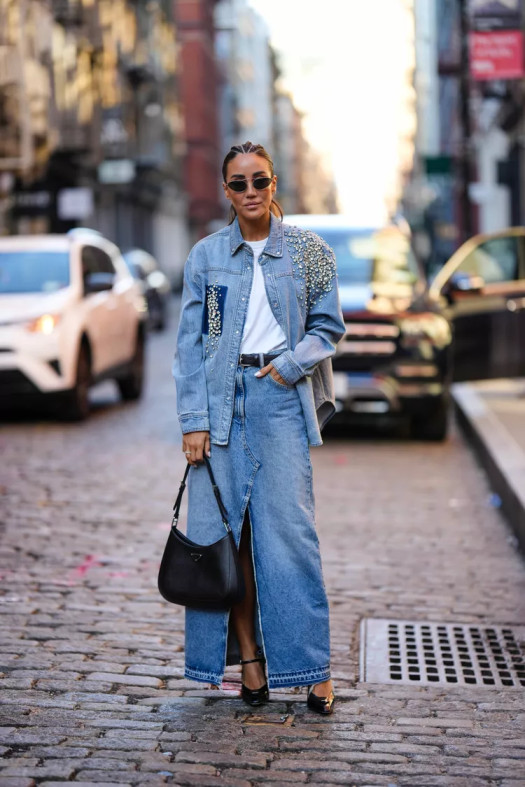
A sequined or bedazzled shacket is a fun way to stand out at a fall gathering or a low-key night out where jeans and a nice top would feel underdressed. If that’s too much shine for your taste, a denim shacket is the dependable alternative that works with nearly everything and never really goes out of style either way.
13. Style It With Sweatpants:
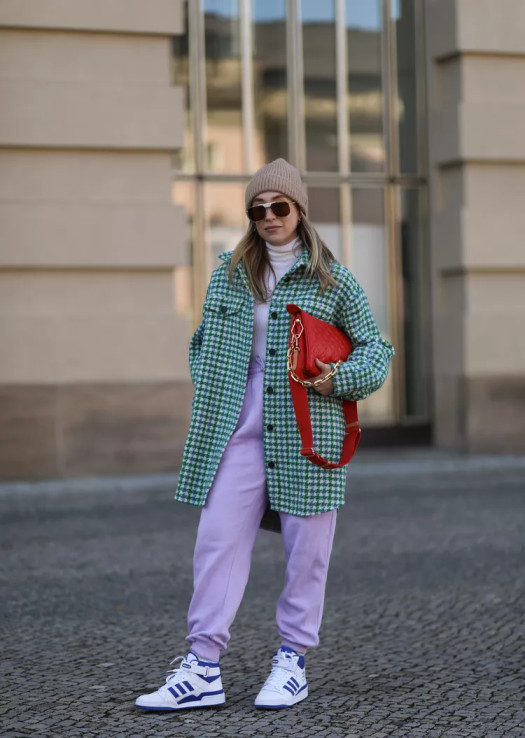
A matching light purple sweat set with a longer shacket layered on top looks deliberate rather than like loungewear you didn’t bother changing out of. This is my pick for days when comfort matters more than anything else but I still need to leave the house looking like I tried a little.
14. Pair With Black Leggings:

Leggings pair with almost anything, shackets included. I usually reach for a neutral shacket with black leggings when I’m running errands, but a bold color on top turns a basic legging outfit into something with actual personality instead of looking like gym clothes.
Mistakes I’d Tell You to Skip:
Buying the wrong size cost me the most trial and error. Too small, and it looks like a shirt that shrank in the wash. Too big, and it swallows everything underneath it. Try it on over the actual layers you plan to wear, not just a tank top in a dressing room, since a shacket’s whole job is to go over other clothes.
Ignoring fabric weight for your actual climate is the second mistake. A thin flannel shacket photographs beautifully but does very little in real wind. If you live somewhere with genuine cold, budget for at least one heavier option in wool or thick brushed cotton.
Washing a plaid or printed shacket with your regular laundry load without checking the tag ruined one of my favorites. I threw a flannel one in on a hot cycle with everything else, and the colors bled into a white shirt I’d had for years. A cold, separate wash keeps the color and shape intact far longer.
How to Pick the Right Shacket for Your Budget?
Under $40: Brands like Old Navy, Target, and Uniqlo carry solid basic shackets in cotton or brushed flannel. These are great starter pieces, but expect to replace them every one to two seasons with regular wear.
$40 to $90: This range, think Madewell, Abercrombie, or Gap, usually gets you better stitching, a wool or wool-blend option, and a fit that holds its shape after multiple washes. If you can only invest in one shacket, this tier is where I’d spend the money.
$90 and up: Higher-end options from brands like Aritzia or Everlane bring genuine wool, better linings, and tailoring that flatters more body types out of the box. Worth it if you plan to wear a shacket several times a week for years, not just one season.
Shacket Styling by Body Type:
- If you’re petite, look for cropped or regular-length shackets rather than longline styles, which can visually shorten your frame. Rolling the sleeves once also helps proportion.
- If you’re plus-size, a shacket with some structure at the shoulder and a slightly defined waist (even just a tie-front style) will be more flattering than a fully boxy cut. Longer lengths that hit at the hip also tend to be more universally flattering.
- If you’re tall, you can wear oversized and longline styles almost without effort, since the extra volume reads as intentional rather than overwhelming.
Frequently Asked Questions:
Is a shacket the same thing as a flannel shirt?
Not exactly. A flannel shirt is a fabric type and a shacket is a garment category, so a shacket can be made of flannel, wool, denim, or corduroy. The defining feature of a shacket is the weight and structure, thick enough to function as a light jacket, not the specific fabric.
Can you wear a shacket in the summer?
A lightweight cotton shacket works for cool summer evenings or heavily air-conditioned spaces, but most shackets are made with fall and winter weight in mind. If you want a warm-weather version, look for unlined cotton or linen-blend options specifically.
How do you know if a shacket fits correctly?
The shoulders should sit at your actual shoulder line, not drop past it, even in an oversized style. If you can fit a sweater underneath comfortably without the buttons pulling, it’s sized correctly for layering.
Final Thoughts:
A shacket earns its place in a wardrobe because it does one job extremely well: it bridges the gap between too light and too heavy without asking you to compromise on comfort. Once you find a couple that actually fit your body and your climate, you’ll reach for them constantly from the first cool morning in September through the last mild week before real winter sets in.
Most of the outfits above use pieces you likely already own, jeans, leggings, a plain top, a sweater. The shacket is just the piece that pulls everything together and keeps you warm enough to actually enjoy being outside in it.