
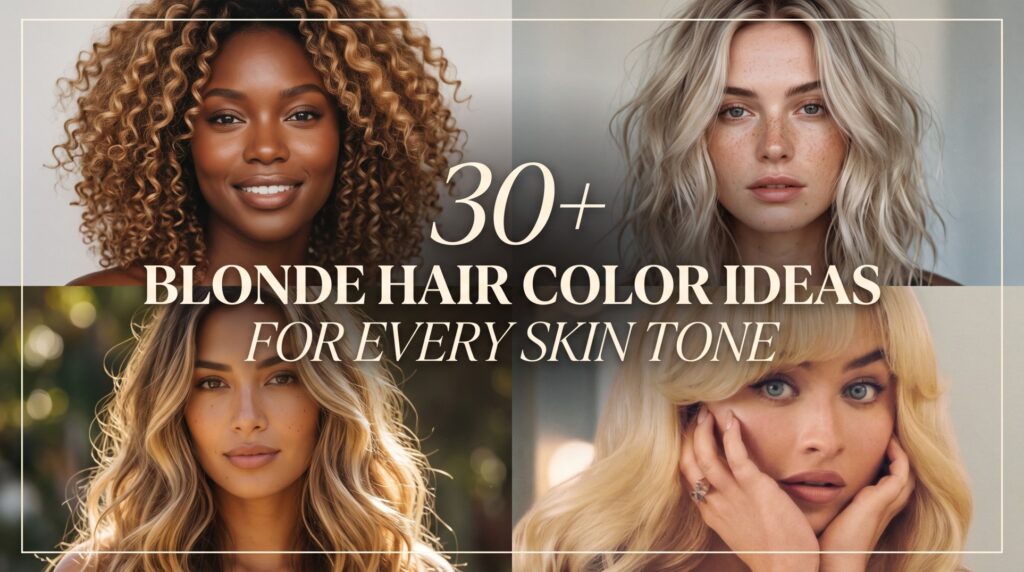
Blonde hair covers an enormous range. There’s the icy cool platinum that makes a sharp, bold statement. The warm, golden honey blonde that looks like you just spent two weeks somewhere sunny. The lived-in, low-maintenance bronde that barely reads as colored at all. And then everything in between.
If you’ve been looking at blonde hair color ideas and feeling overwhelmed by the options, that’s because the category is genuinely vast. Finding the right shade isn’t just about picking a color you like it’s about understanding your skin tone, how much maintenance you’re willing to commit to, and what finish (warm, cool, neutral) actually flatters you.
This roundup covers 30+ of the most sought-after blonde shades across every part of the spectrum. Whether you’re a natural blonde looking to brighten things up, a brunette ready for your first big color change, or someone returning to blonde after years away, you’ll find a direction here that fits. Each shade is broken down with practical detail: what it looks like, who it works for, and how to maintain it.
THE SPECTRUM OF BLONDE: 30 STUNNING HAIR COLOR IDEAS:
Blonde is rarely just one thing. The spectrum runs from near-white platinum at one end to deep, tawny golden-brown at the other, and within that range sit dozens of distinct shades with different undertones, textures, and visual effects. Cool blondes ash, arctic, platinum, icy sit on one side. Warm blondes honey, buttery, golden, caramel sit on the other. And then there’s a generous middle ground of neutral, beige, and champagne tones that work across a wider range of skin tones.
Before committing to any shade, it helps to think about your natural starting point. Very dark hair requires significant lightening to reach platinum or even honey blonde, which means more time, more cost, and a longer color journey. Those with naturally light brown or already-lightened hair have more flexibility. Your colorist will factor all of this in, but going into the appointment with a clear reference image and a realistic understanding of the process makes a real difference.
Skin tone matters, too. As a general guide: warm skin tones tend to look radiant with golden, honey, and buttery blondes. Cool skin tones are flattered by ash, platinum, and champagne shades. Neutral skin tones have the most flexibility and can pull off almost anything. That said, these are starting points, not rules the right colorist can make almost any shade work with the right tonal adjustments.
THE SABRINA CARPENTER BLONDE:
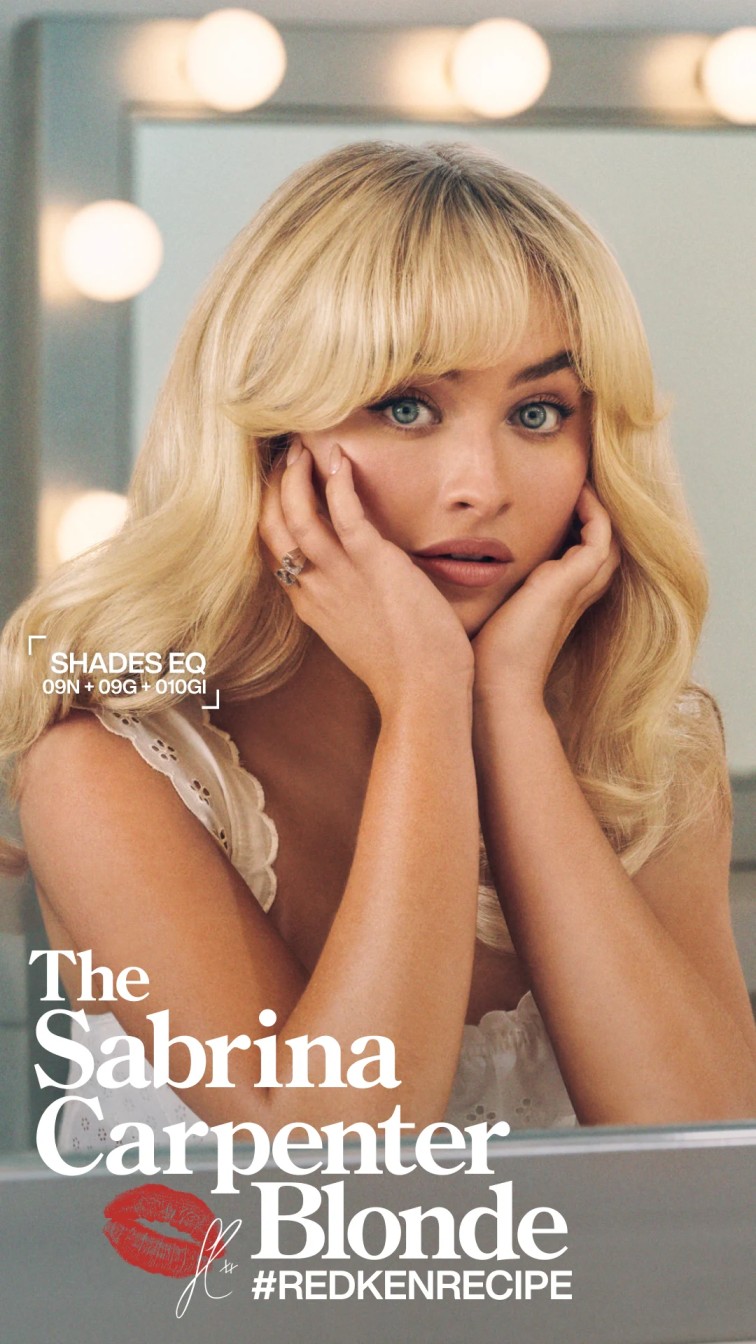
Channeling the aesthetic that Sabrina Carpenter has made synonymous with modern Hollywood glamour, this honey blonde shade has become one of the most requested at salons. It features soft, voluminous waves and curtain bangs that frame the face, with a light, dimensional color that radiates warmth without ever veering too yellow or brassy.
The key to this look is that it feels effortless rather than heavily processed. The golden blonde base is enhanced with carefully placed lighter ribbons that catch the light, creating a natural-looking brightness. It’s not monochromatic, and that multi-tonal quality is exactly what makes it feel dimensional and alive.
This shade works best on fair to light medium skin tones with warm or neutral undertones. It’s also a strong choice if you’re transitioning from a warm light brown, since the tonal overlap makes the color journey more gradual. For maintenance, expect a salon visit every eight to twelve weeks to refresh the highlights and keep the overall tone from fading flat. A bond-strengthening treatment used regularly at home will preserve the shine between appointments.
ARCTIC ICE BLONDE:
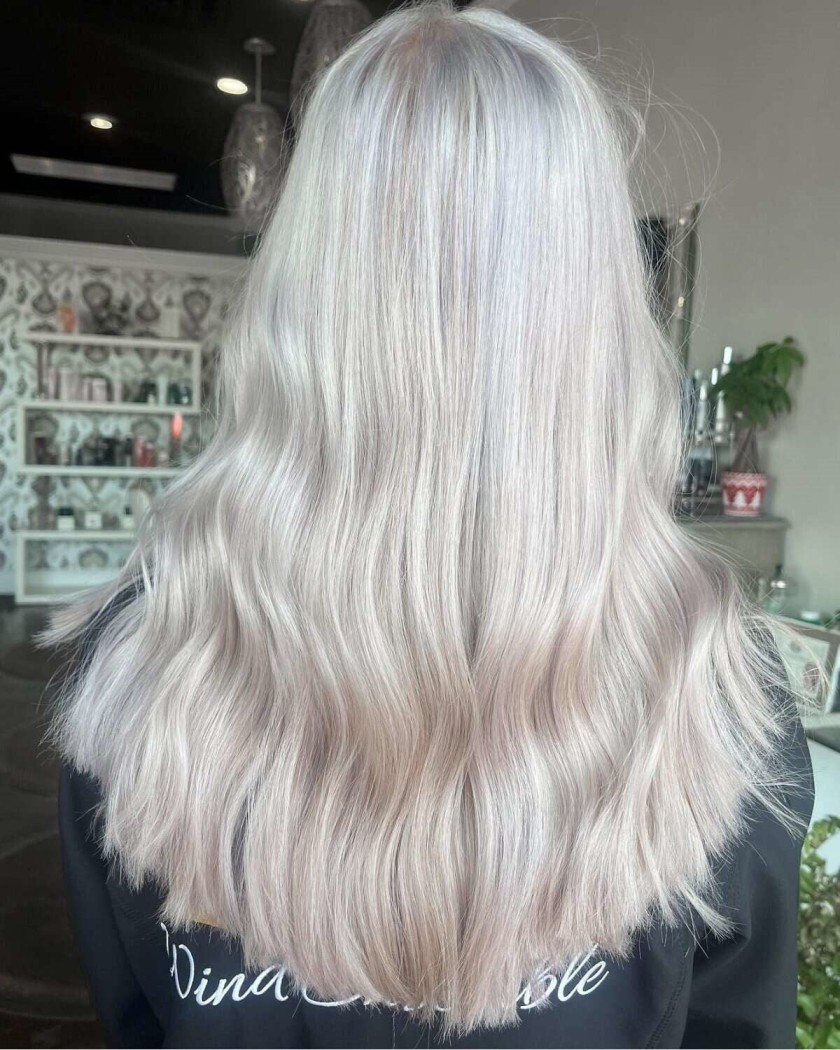
Arctic ice blonde is for the person who wants their hair to make an immediate, unmistakable impression. This shade is built from luminous silver tones with just the faintest suggestion of warmth enough to keep it from looking harsh, but cool enough to feel genuinely otherworldly.
The result is a look that photographs beautifully and commands attention in person. Light reflects off the silver-white base in a way that feels almost metallic, which is part of the appeal. The “frosted” quality comes from the way lighter and slightly cooler tones are layered over a very pale blonde base, creating depth without sacrificing the overall coolness of the shade.
This color demands a commitment to maintenance. To keep the silver tones true and prevent any unwanted warmth from creeping in, purple or blue toning shampoos need to be part of your weekly routine. The lighter the base, the more frequently you’ll need to tone. This shade suits very fair skin with cool or neutral undertones most naturally, though it can be made to work on medium skin with the right warm-cool balance in the application.
ASH BLONDE:

Ash blonde is one of the most consistently stylish blonde shades in the cool family. It’s not flashy it’s the kind of color that looks intentional and polished without drawing attention to itself. The softly blended highs and lows give the hair a natural-looking dimension, and the cool melt through the lengths reads as sophisticated rather than edgy.
What distinguishes a well-executed ash blonde from a poor one is tone control. Ash shades are notoriously prone to looking dull or gray on the wrong undertone, or turning slightly green if the wrong toner is used. A skilled colorist will balance the cool tones carefully, often adding the tiniest hint of beige or violet to keep the shade from looking lifeless.
Ash blonde works beautifully on fair to light medium skin with cool or neutral undertones. It’s also one of the more season-resistant shades it looks just as relevant in winter as it does in summer. For upkeep, a weekly toning shampoo and regular glossing treatments at the salon will keep the cool tones fresh and the finish looking shiny rather than flat.
BABY BLONDE:
Baby blonde is exactly what it sounds like: a soft, almost whisper-light blonde that mimics the natur
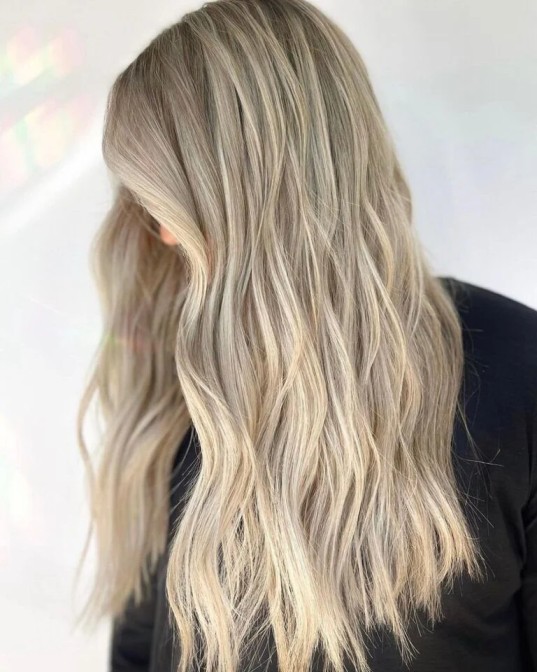
ally pale hair of childhood. It preserves a warm, delicate quality that keeps it from looking bleached or stark, and it works beautifully on those who are already naturally blonde and simply want to enhance their existing color with a little more brightness.
This is one of the lower-maintenance options on the list, particularly for those who start fairly light. Because baby blonde isn’t trying to achieve heavy contrast or dramatic highlights, the root regrowth is subtle and the color grows out gracefully over time.
The shde flatters fair skin tones with warm or neutral undertones particularly well. It can work on light medium skin too, but the lightness of the shade means it requires sufficient contrast with the skin to avoid washing the face out. Pairing this shade with warm makeup tones a peachy blush, a nude-warm lip helps anchor the overall look.
BEIGE BRONDE:

Beige bronde is the ultimate middle-ground color technically sitting between brown and blonde, but pulled in a beige direction that makes it feel refined rather than undecided. Warm lowlights are woven through the base, creating depth, while a root melt adds a seamless, natural-looking transition from darker roots to lighter mid-lengths and ends.
This is a genuinely practical shade. The lived-in root melt means that as your hair grows, the regrowth line stays invisible far longer than it would with a more contrasting color. That translates directly into longer stretches between salon visits, which is both convenient and cost-effective.
Beige bronde is one of the most universally flattering blonde shades because its neutral undertone means it doesn’t clash with either warm or cool skin. Medium and light medium skin tones especially benefit from the balanced warmth it provides. It’s a strong choice for anyone making their first move from brunette to blonde, since the transition feels natural rather than dramatic.
BLENDED HONEY BLONDE:

Blended honey blonde is the sun-kissed look that requires a genuinely skilled colorist to pull off well. The multi-tonal mix of warm golden and amber highlights is layered through the base in a way that mimics how the sun naturally lightens hair concentrated at the ends and on the surface, with richer depth underneath.
The “blended” element is everything here. Heavy, blocky highlights would undermine the whole effect. The application needs to be seamless, with each highlight melting naturally into its neighbor rather than standing out as a distinct stripe. Balayage and hand-painting techniques tend to produce the most natural result.
This shade is warm-toned, which makes it particularly beautiful on olive, warm medium, and warm fair skin tones. It’s also one of the better options for anyone with natural texture or waves, since the dimensional quality of the color catches beautifully on curved surfaces. For upkeep, a hydrating toning gloss every few weeks will keep the honey tones vibrant without the color shifting orange.
BLONDE BOB:

The blonde bob is a style-and-color combination that has never really gone out of fashion. What makes this particular version work is the contrast built into the color: cooler, deeper tones near the root and through the base, with honey blonde highlights that pop against that darker ground.
The bob length allows the highlights to be clearly visible and creates a structure that frames the face cleanly. The contrast in the color also gives the cut more visual weight, making even fine hair look thicker and more substantial.
For shade selection, the specific ratio of cool depth to warm highlights can be adjusted to suit your skin tone. More warmth in the highlights works well on olive and warm medium skin. More neutrality in the base pulling the cool tones toward ash rather than brown flatters fair and cool-toned skin. This is a look worth discussing in detail with your colorist to find the exact balance that works for your features.
BRIGHT BLONDE:

Bright blonde doesn’t mean bleached-looking or flat. Done well, this shade is warm, dimensional, and luminous a creamy mix of beige and soft peach-toned highlights that work together to create a sense of light and movement. The warmth keeps it from looking stark, and the dimensional application prevents it from reading as a single, unvaried color.
This shade works year-round but feels particularly well-suited to spring and summer. It’s bright enough to draw attention without needing any additional drama from the cut or styling. On warm and neutral skin tones, it creates a golden, glowing effect that tends to make the complexion look healthy and vibrant.
For application, balayage works well here, but so does a more traditional foil technique if you want tighter, more precise brightness. The key is ensuring the toner at the end of the process is warm rather than cool even a slightly overly cool toner can strip this shade of its warmth and leave it looking harsh.
BRIGHT PLATINUM BLONDE:

Bright platinum is the most dramatic end of the cool blonde spectrum. Where arctic ice blonde has a silver-gray quality, bright platinum is purely and intensely light almost white at its lightest points, with a cool clarity that reads as genuinely bold.
This is a high-commitment shade. Achieving it from medium or dark hair requires multiple lightening sessions spread over time to avoid damage, and maintaining it means regular toning, deep conditioning treatments, and a dedicated at-home care routine. The process is involved, but the result is a look that very few other colors can match for sheer impact.
Bright platinum works best on fair to light medium skin with cool undertones. On very fair, porcelain skin, it creates a striking, almost editorial contrast. On medium or warm skin tones, it can work but typically requires a slight warm adjustment in the tone — a barely-there gold or beige tint — to prevent the color from looking too harsh against the complexion.
BUTTERY BLONDE:

Buttery blonde sits in the warmest, richest part of the golden blonde family. It’s built from deep golden hues layered with subtle highlights and lowlights that create extraordinary dimension without heavy contrast. The overall effect is lush and warm the kind of color that looks expensive and feels cozy at the same time.
The dimensional quality is what separates buttery blonde from a flat golden color. The lowlights add depth at the base and between the highlight sections, preventing the hair from looking uniformly light. This is important because it’s the contrast between light and slightly darker tones that creates the sense of movement in the hair.
This shade is ideal for warm and olive skin tones, where the golden undertones in the color create a harmonious warmth across the face. It also translates well across different hair lengths and textures it’s equally beautiful on long, smooth hair and on loose, natural waves. Deep conditioning is essential for maintaining the richness of the tone; color-depositing conditioners in gold and amber tones can help keep the warmth from fading between salon visits.
CARAMEL CURLS BLONDE:

Caramel blonde on curly hair is a study in beautiful contrast. The lighter caramel highlights are woven through a rich, dark brown base, and because the color sits on curved strands that catch and release light as they move, the effect is dynamic and three-dimensional in a way that looks genuinely stunning.
The key to making this work on curly hair is placement. Unlike straight hair, where highlight placement can follow a more predictable pattern, curly hair needs highlights placed on the outer surface of the curl the part that’s visible and catches light rather than buried underneath. A colorist experienced with curly hair will understand this instinctively.
This is a great option for brunettes with medium to deep skin tones who want to add warmth and visual interest without committing to a full blonde. The darker base does a lot of the heavy lifting in terms of maintaining natural depth, which means the overall look is lower maintenance than a full lightening process. Sulfate-free shampoo and a regular deep conditioning mask are non-negotiable for keeping both the color and the curl pattern healthy.
CHAMPAGNE BLONDE:

Champagne blonde is cool, luminous, and elegant. It sits between platinum and ash in terms of temperature, with refined cool undertones that give it a pearlescent quality. The result is a shade that’s bright without being stark, cool without being gray, and polished without being rigid.
This is a particularly good choice for anyone who wants the brightness of a lighter blonde but finds true platinum too intense. Champagne blonde has enough warmth in it think the color of actual champagne rather than water to feel wearable and flattering on a wider range of skin tones than pure cool shades can manage.
Fair to light medium skin tones with cool or neutral undertones will find champagne blonde particularly flattering. The shade also photographs beautifully, particularly in natural light where the pearlescent quality of the tone becomes most visible. Glossing treatments at the salon every six to eight weeks will maintain the luminosity and prevent the color from shifting toward a dull, flat appearance over time.
COOL BLONDE:
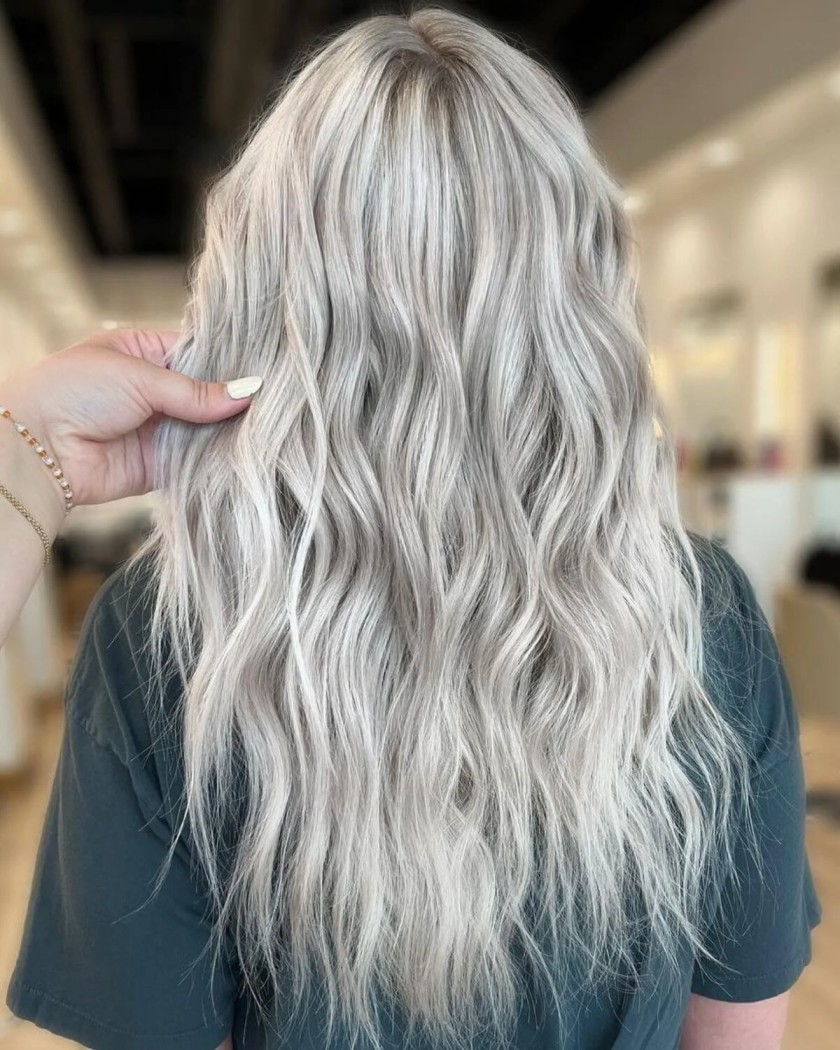
Cool blonde is the understated, refined option in the cool shade family. Rather than the high drama of platinum or the crispness of ash, cool blonde sits in a quietly sophisticated space that feels natural and polished at the same time. The natural dimension lighter at the surface, slightly deeper between sections keeps it from looking flat or monochromatic.
This shade is genuinely versatile. It works on a range of hair lengths and is one of the better options for someone who wants to go blonde for the first time without making a drastic change. The cool tones are present but not overwhelming, making it easy to wear day-to-day across different styles and occasions.
For cool-toned skin, this shade creates a seamless harmony that looks effortless. On neutral skin, it reads as modern and considered. Regular use of a purple shampoo once or twice a week is the most important at-home maintenance step, as it prevents the cool tones from shifting warm between salon visits.
COOL BLONDE HIGHLIGHTS:

Cool blonde highlights take a different approach to going blonde: rather than a full-head color change, they’re woven through a warm brown base to create contrast, dimension, and a touch of brightness without a complete transformation. The result is a look that reads as naturally sun-kissed but with a cooler, more intentional edge.
The warmth of the brown base and the coolness of the highlights create an interesting visual tension that looks modern and sophisticated. This is also one of the most practical approaches to blonde for those who aren’t ready to commit to a full lightening process, since it preserves the natural depth and color of the existing hair while adding selective brightness.
For medium and warm skin tones who want a more understated approach to blonde, cool highlights provide brightness without warmth overload. The dimensional contrast flatters most face shapes by drawing light toward the top layers of the hair, which frames the face naturally.
DAZZLING BLONDE:

Dazzling blonde earns its name from the way it combines vanilla and buttery tones into something that genuinely shimmers. The blend of creamy, pale blonde with soft golden notes creates a brightness that catches light in a particularly flattering way not blinding, but consistently luminous.
This isn’t a shade that relies on drama or contrast. The brilliance comes from the specific combination of tones: the vanilla adds a clean lightness, the buttery warmth prevents it from looking cold, and together they create a finish that looks radiant rather than bleached. It’s a great option for anyone who loves bright blonde but finds pure platinum too stark.
Fair and light-medium warm skin tones will find this shade genuinely flattering year-round. For the most dazzling finish, ask your colorist for a brightening gloss treatment at the end of the session. This seals the cuticle and reflects light more intensely, which amplifies the shimmering effect significantly.
DIMENSIONAL GLOWING BLONDE:

Dimensional glowing blonde is built on contrast warm honey highlights against cooler, ashy blonde lowlights — but the contrast is subtle enough that the overall effect is radiance rather than drama. The interplay of warm and cool tones creates a depth that catches light differently at every angle, which is where the “glowing” quality comes from.
This technique is one of the more involved to execute well, because the placement of warm and cool tones needs to be genuinely thoughtful. Too much cool in the wrong place and the lowlights read as gray. Too much warm and the whole thing shifts toward a flat honey color. The balance between the two is what creates the luminous, dimensional effect.
This shade is among the most universally flattering on the list because the interplay of warm and cool tones means it works across a broader range of skin tones than either a purely warm or purely cool blonde would. It’s also one of the longer-lasting options in terms of looking intentional as it grows out, since the contrast between elements fades gradually rather than abruptly.
DIRTY BLONDE:

Dirty blonde is one of the most naturally convincing shades in the whole blonde spectrum. The multi-tonal mix of light beige blonde with warmer, honey-toned highlights creates a result that looks like it simply grew that way no salon appointment, no processing, just genuinely beautiful natural hair.
The low-maintenance appeal is genuine. Because the shade relies on a natural-looking base with organic tonal variation, the root regrowth blends seamlessly rather than creating an obvious line of demarcation. This makes it ideal for anyone who can’t commit to frequent salon visits or who prefers a more effortless, undone aesthetic.
Dirty blonde works beautifully on light to medium skin tones with warm or neutral undertones. It’s also one of the more accessible entry points into blonde for naturally light brunettes, since the tonal overlap between the two is natural and the transition requires less aggressive lightening. The beige element in the base tone means it also ages gracefully, looking more intentional rather than less as it fades.
EFFORTLESS PLATINUM BLONDE:

Effortless platinum blonde differs from bright platinum in one important way: it’s designed to look like it didn’t take much effort, even though it almost certainly did. The key is in the blending silvery white tones mixed with pale blonde in a way that creates softness and dimension rather than the stark uniformity of a traditional all-over platinum.
The “effortless” quality comes from the way the tones interact. Rather than a single, uniform level of lightness across every strand, the silvery white sits alongside slightly deeper pale blonde sections. The result is a platinum that feels organic and wearable rather than harsh or costume-like.
Maintaining this shade requires the same commitment as any platinum: regular toning to prevent brassiness, deep conditioning to counter the effects of repeated lightening, and ideally a bond-building treatment used consistently at home. The upside of the blended approach is that the softer look allows for slightly more flexibility in how often you tone before the color starts to look off.
GLOSSY GREIGE BLONDE:
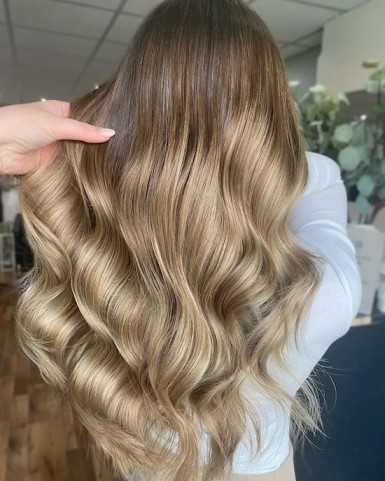
Greige blonde the blend of gray and beige in the blonde family is one of the more contemporary shades on this list. It sits in a cool-neutral space that feels distinctly modern: not warm enough to be traditional, not cool enough to be edgy, just quietly sophisticated and very of-the-moment.
The glossy finish is what makes this shade particularly striking. A high-shine result is not automatic with greige tones; it requires a gloss or glaze treatment at the end of the color service to really seal the cuticle and amplify the light reflection. Without it, greige can look a little flat. With it, the result is a color that looks almost airbrushed.
This shade suits cool and neutral skin tones particularly well, especially those with lighter complexions where the cool undertone of the greige creates a clean, sophisticated harmony. For those with slightly warmer skin tones, the colorist can pull the beige element slightly more to the fore in the formula, which shifts the overall feel in a warmer direction.
GOLDEN BUTTER BLONDE:

Golden butter blonde is richly warm and deeply flattering on skin tones with golden undertones. The light base is enhanced with honey-like highlights placed throughout to create depth and dimension, and the overall effect is one of warmth, vibrancy, and a kind of sun-drenched richness.
The difference between golden butter blonde and regular buttery blonde is primarily in the intensity of the golden tones. Where buttery blonde leans creamy and soft, golden butter blonde goes further in the warm direction the highlights have more amber in them, the base has more gold, and the overall result is distinctly warm rather than neutral.
This is a strong shade for olive and warm medium skin tones, where the golden undertones in the color create a particularly harmonious relationship with the skin. It’s also a beautiful choice for anyone who spends a lot of time outdoors during summer, since the warmth of the color tends to deepen and enrich naturally with sun exposure rather than going brassy.
HONEY BLONDE:
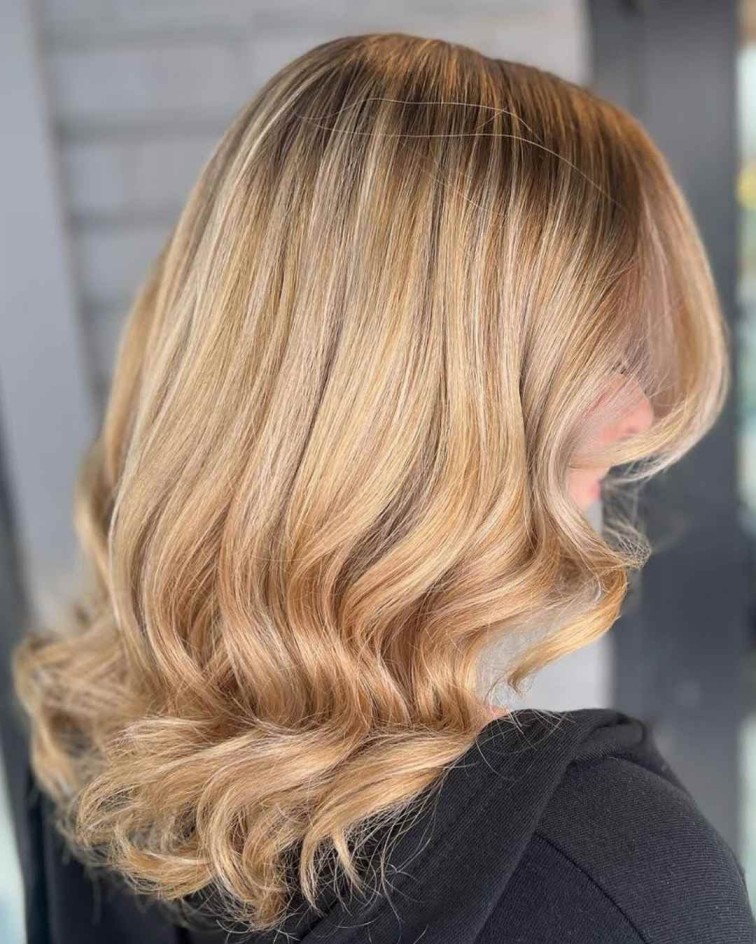
Honey blonde remains one of the most consistently popular shades in the warm blonde family, and for good reason. The warm, golden hue is rich without being heavy, bright without being stark, and dimensional enough to look genuinely beautiful across different lighting conditions. Subtle highlights woven throughout the base ensure the color has movement and life rather than sitting flat.
The shade’s appeal is partly about its versatility. It works on a range of skin tones particularly warm, olive, and neutral medium skin and it transitions naturally between seasons without looking out of place. In summer, it reads as sun-kissed and effortless. In winter, it reads as rich and warming.
For maintenance, honey blonde tends to drift warm over time as the color fades, which some people actually like since it gives the hair a slightly deeper, richer quality. If you prefer to keep the tone fresh and precise, a gentle warming toner every four to six weeks will maintain the clarity of the honey tones without the need for a full color appointment each time.
ICY BLONDE:
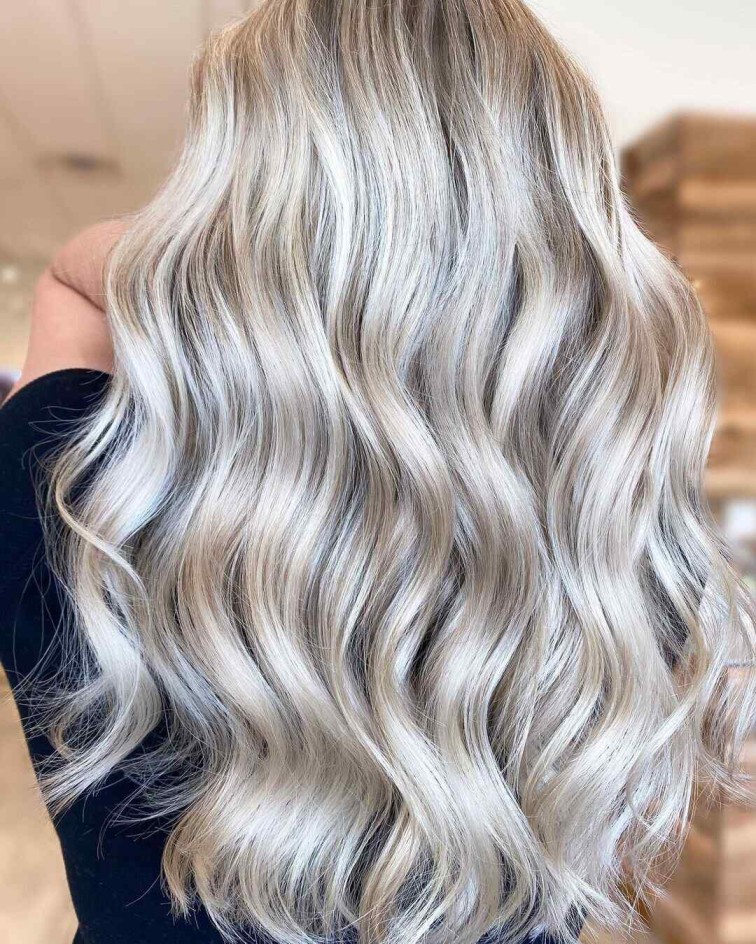
Icy blonde sits at the cool, pale end of the platinum family but with a sophistication that differentiates it from an all-over bleach. The crisp, ashy base tone is layered with subtle shimmering highlights, creating a multi-dimensional masterpiece that reads as both sharp and nuanced.
Where bright platinum is about maximum impact, icy blonde is about refined coolness. The hint of beige woven through the platinum creates enough softness to keep the shade wearable and flattering, while the shimmer highlights ensure it still catches light beautifully.
This shade is most striking on fair skin with cool undertones, where the icy quality of the color creates an almost sculptural, editorial effect. On slightly warmer skin tones, the beige element in the formula becomes more important it prevents the shade from looking stark against the complexion and creates a slightly more balanced relationship between color and skin.
IRIDESCENT CHAMPAGNE BLONDE:

Iridescent champagne blonde takes the classic champagne shade and adds a quality of light-catching shimmer that gives it an almost holographic quality. The blend of varying honey and champagne tones is specifically crafted to show differently at every angle, revealing warm gold in one light and cool pearlescence in another.
This effect is achieved through a combination of highlight placement and the specific toning process. The varying depth across the highlights some lighter, some slightly deeper means the hair doesn’t read as a single color but as a whole tonal range. When light hits it, different sections reflect different parts of that range, creating the iridescent effect.
Iridescent champagne blonde is particularly well-suited to naturally wavy or slightly textured hair, where the movement of the strands amplifies the way light interacts with the color. On very straight hair, the effect is still beautiful but the iridescence is most visible when the hair is in motion. A glossing treatment at every salon visit will maintain the shimmer and prevent the tones from dulling.
LIVED-IN BLONDE:

The lived-in blonde is the gold standard of low-maintenance color. The blend of warm honey highlights and dimensional lowlights is designed to mimic the way hair naturally lightens and darkens over time with sun, sea, and seasonal changes. Ribbons of golden wheat run through the color in a way that looks organic rather than placed.
What makes a lived-in blonde truly succeed is seamlessness. Visible highlight lines, harsh root delineation, or overly uniform color all work against the aesthetic. The goal is a color that looks like it simply exists, as though no effort was involved. Achieving that effortlessness actually requires considerable skill from the colorist.
The practical upside is real: lived-in blonde grows out slowly and gracefully, with a natural-looking root that blends rather than clashes. For most people, this means six to twelve weeks between appointments rather than four to six. Regular deep conditioning and a color-protecting shampoo are the main at-home requirements.
LIVED-IN CARAMEL BLONDE:

Lived-in caramel blonde brings more warmth and depth to the lived-in concept than the classic version. The combination of rich caramel and honey blonde tones, expertly blended together, creates a color that’s unmistakably warm and sun-kissed without looking orange or brassy.
The caramel element provides richness and body in the color a quality that’s especially flattering on medium to deeper skin tones where the warm undertones create a harmonious, glowing relationship between color and complexion. This is a shade that tends to look better in person than in photos, because the warmth of the tone reads most beautifully in natural light.
For brunettes considering their first move toward blonde, lived-in caramel blonde is one of the most accessible entry points. Because the caramel tones are close in family to natural brown, the lightening process is less extreme than a cooler or brighter blonde would require, and the transition looks genuinely natural rather than processed.
LIVED-IN CURLY BLONDE:

Lived-in curly blonde combines the effortless aesthetic of a lived-in color with the specific needs and visual dynamics of curly hair. The rich dark brown base is preserved as a foundation, and earthy, warm blonde highlights are placed throughout to create dimension and movement that works with the curl pattern rather than against it.
The highlights on curly hair need to be positioned on the outer surface of the curls the parts that are visible and catch light for maximum effect. This is a technique that requires specific experience with curly hair, so it’s worth asking your colorist about their approach before starting.
Because the base is kept darker and the highlights are strategically placed rather than all-over, this shade grows out gracefully and requires less frequent maintenance than a full-head lightening. Curl-specific color-safe shampoo and a rich conditioning treatment are essential for keeping both the color and the curl definition looking their best.
LIVED-IN NEUTRAL BLONDE:
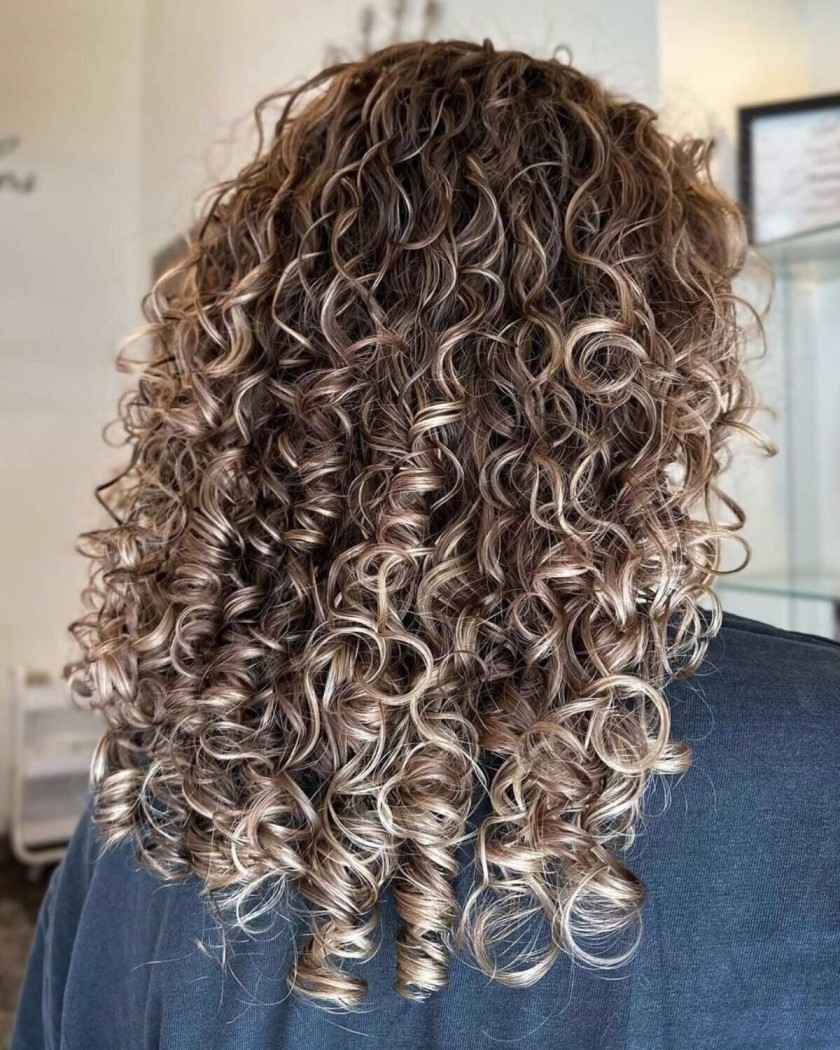
Lived-in neutral blonde is perhaps the most universally flattering entry in the lived-in family. Neutral blonde highlights are blended into a natural brown base without pulling either warm or cool, which means the shade adapts to the undertone of your skin rather than imposing its own tonal direction.
This neutrality makes it genuinely versatile across a wide range of skin tones. On warm skin, the neutral tones warm up slightly in response to the complexion. On cool skin, they reflect more of the cool quality back. The result is a shade that always looks like it was chosen specifically for you, regardless of your undertone.
For anyone who feels uncertain about whether to go warm or cool with their blonde, lived-in neutral is the answer. It splits the difference gracefully, and its low-maintenance growth pattern means you can experiment with it without the pressure of a high-commitment color.
LIVED-IN WARM BLONDE:

Lived-in warm blonde takes the golden champagne hue and uses it as a contrast element against a natural brunette base. The warmth of the blonde highlights stands out clearly against the deeper base without needing heavy contrast, creating a look that’s harmonious and rich rather than dramatically dimensional.
This is a particularly good choice for anyone with naturally warm-toned brown hair who wants to add brightness and vibrancy without a complete color overhaul. The warm base and warm highlights belong to the same tonal family, which keeps the result looking cohesive and natural.
Warm and olive skin tones benefit most from this shade, since the golden undertones in the color create a radiant relationship with the complexion. For maintenance, a color-depositing conditioner in gold or warm amber can keep the vibrancy of the highlights from fading between appointments.
MILKY BUTTER BLONDE CURLS:

Milky butter blonde on curls takes the warmth and creaminess of a buttery tone and softens it with a milky, slightly paler quality that lifts the whole look without losing warmth. The honey base is paired with lighter, blended highlights that create a sun-kissed dimensional effect perfectly suited to the natural movement of curly hair.
The milky quality of this shade is its distinguishing feature. Where standard buttery blonde is deeply golden, milky butter blonde sits just a touch lighter and creamier almost as though the color has been softened with light. On curls, this creates a beautiful, luminous effect as the lighter sections catch and release light with every movement.
For curly hair, the health of the underlying hair is everything. Lightened curls need significantly more moisture than straight hair to maintain both their structure and their shine. Weekly deep conditioning, protective styling when possible, and a protein treatment every four to six weeks will keep the curl pattern tight and the color looking its best.
PEACH ROSE BLONDE:
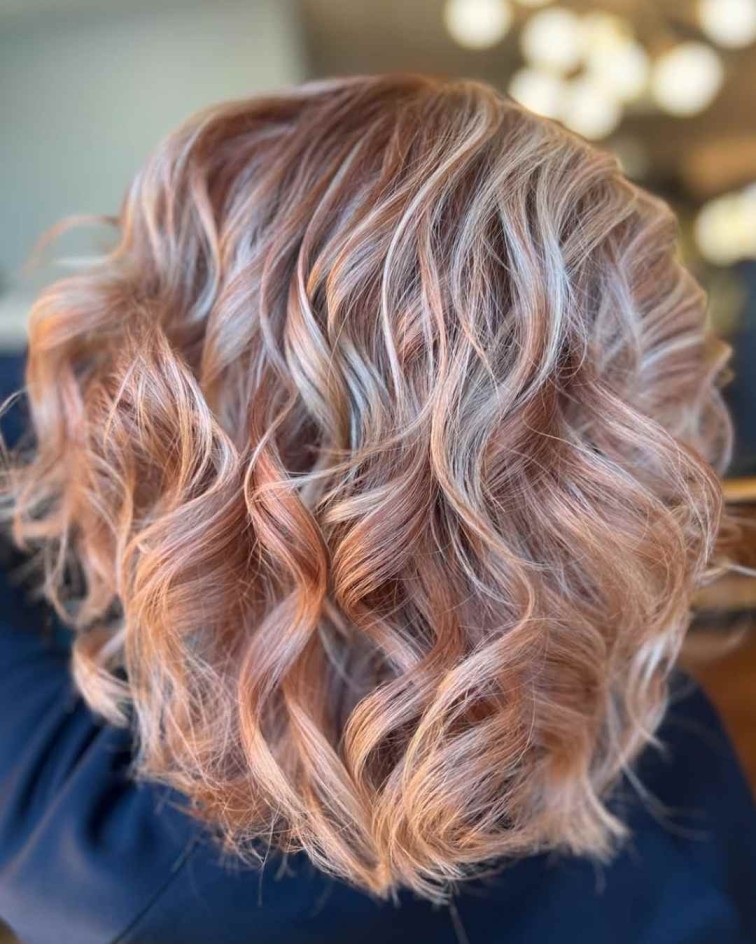
Peach rose blonde is the most distinctive shade on this list a multi-dimensional color that blends warm peach tones with cool rose in a way that creates something genuinely unique. The metallic-esque finish adds a shimmering, almost reflective quality that shifts in different lighting conditions.
This shade sits at the intersection of blonde and fashion color, which means it requires a very pale, lightened base to show correctly. On darker blonde or any brunette base, the peach and rose tones won’t read accurately. The lightening process needs to be thorough before the toning can begin.
The maintenance for this shade is more involved than a standard blonde because the peach and rose tones fade relatively quickly. Toning shampoos and conditioners specifically formulated for warm or pink tones will significantly extend the vibrancy between appointments. This is a shade best suited to those who enjoy color as a form of personal expression and are willing to invest in maintaining it.
PLATINUM BLONDE:

Platinum blonde is the definitive bold choice in the blonde family. The cool, crisp, icy tones leave no ambiguity this is a deliberate, striking color choice that transforms the entire look. It works as a statement without needing any additional styling drama.
Achieving true platinum from darker starting points is one of the more technically demanding color processes. Multiple lightening sessions over an extended period, with bond-building treatments used throughout, are typically necessary to reach the target level without causing irreparable damage. Attempting to rush the process is the most common mistake, and it almost always results in uneven color, excessive breakage, or both.
Once achieved, maintaining platinum blonde requires consistent effort: weekly purple toning shampoo, regular deep conditioning masks, a bond-maintaining treatment used between washes, and salon visits every six to eight weeks for toning and root touch-ups. But for those willing to make that commitment, platinum blonde is one of the most transformative and arresting colors available.
| Shade | Skin Tone | Warmth Level | Maintenance | Best For |
| The Sabrina Carpenter Blonde | Fair to light medium (warm/neutral) | Warm | Moderate | Everyday glamour, classic looks |
| Arctic Ice Blonde | Fair (cool) | Very cool | High | Bold statements, editorial looks |
| Ash Blonde | Fair to light medium (cool/neutral) | Cool | Moderate | Year-round wearability |
| Baby Blonde | Fair (warm/neutral) | Warm | Low–moderate | Natural enhancement |
| Beige Bronde | Fair to medium (neutral) | Neutral | Low | Low-maintenance transition |
| Blended Honey Blonde | Warm, olive | Warm | Moderate | Sun-kissed, beachy looks |
| Bright Platinum Blonde | Fair (cool) | Very cool | Very high | Maximum impact |
| Buttery Blonde | Warm, olive | Warm | Moderate | Rich, luxurious depth |
| Caramel Curls Blonde | Medium to deeper skin | Warm | Moderate | Curly hair, brunette transition |
| Champagne Blonde | Fair to light medium (cool/neutral) | Cool-neutral | Moderate | Elegant, polished occasions |
| Dirty Blonde | Light to medium (warm/neutral) | Neutral-warm | Low | Effortless, low-maintenance |
| Glossy Greige Blonde | Cool to neutral | Cool-neutral | Moderate | Modern, contemporary looks |
| Honey Blonde | Warm, olive, neutral medium | Warm | Moderate | All-season wearability |
| Lived-In Neutral Blonde | All skin tones | Neutral | Low | Versatile, universal flattery |
| Platinum Blonde | Fair (cool) | Very cool | Very high | Transformative statements |
| Peach Rose Blonde | Fair (neutral/warm) | Warm-cool mix | High | Fashion-forward, expressive |