
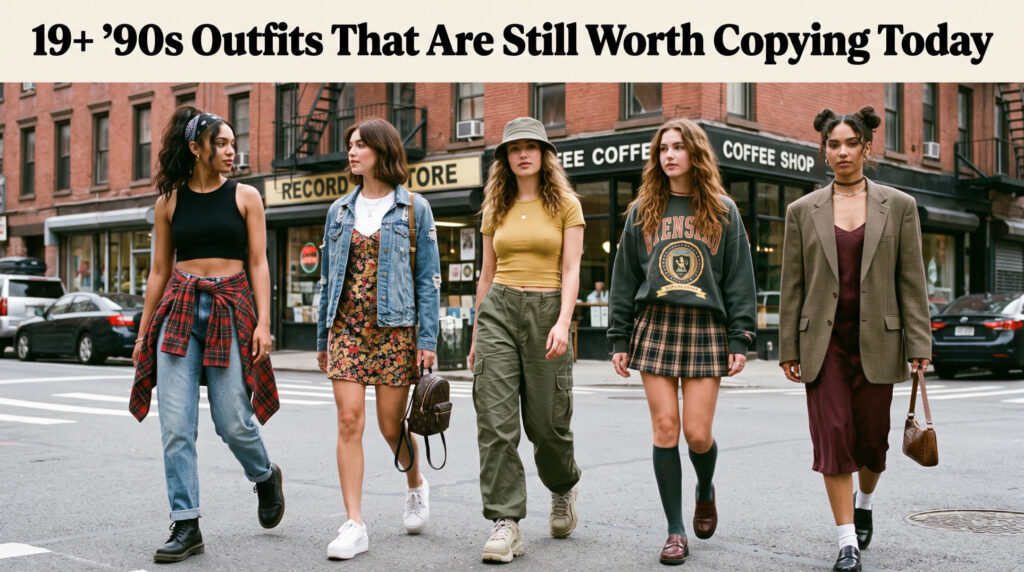
Introduction:
I went through a box of my mom’s old photos last winter looking for baby pictures to send my sister, and I got sidetracked by a stack of pictures from 1996. She was wearing a slip dress with combat boots and a leather jacket thrown over her shoulders, and I looked at that photo longer than any of the baby ones. It looked better than half the outfits I own right now.
That sent me down a rabbit hole: secndhand apps, old sitcom reruns with a notepad, pieces from my own closet I’d forgotten I owned. What I found is that ’90s fashion was never about trying hard. It was a handful of solid pieces worn with confidence, and that’s exactly why it still works in 2026.
This isn’t a nostalgia trip for its own sake. Every outfit below is something I’ve worn, ruined by pairing it wrong, or fixed after learning the hard way. If you want that decade in your wardrobe without looking like you raided a costume shop, this is the real breakdown, mistakes included.
Why This Stuff Refuses to Go Away?
- I used to think trend cycles were random. They’re not. The ’90s comeback keeps happening because the clothes solve problems people actually have right now.
- Minimalism from that decade wasn’t really a philosophy, it was efficiency. A turtleneck and straight leg jeans takes ten seconds to put on and still looks intentional, which matters when everyone is exhausted by choice fatigue.
- Secondhand shopping changed the math too. I buy roughly 70 percent of my clothes from Depop, ThredUp, and a consignment shop near my apartment, and ’90s pieces show up constantly, usually under 25 dollars: broken-in leather jackets, silk slip skirts, denim built to last a decade. When buying vintage got this easy, wearing it stopped being a niche hobby.
- Celebrities keep recycling it too. Scrll through red carpet arrivals and you’ll spot slip dresses, cargo pants, and oversized blazers that could have walked out of 1997 unaltered.
- And underneath all of that, it’s just comfortable. Relaxed denim, chunky sweaters, trousers that don’t cut into your waist by hour three. Comfort with actual style attached is rare enough that people keep chasing it, decade of origin aside.
How I Keep ’90s Pieces From Looking Like a Costume?
I made this mistake early. I wore a full head-to-toe ’90s outfit to a friend’s birthday dinner: cargo pants, a tiny tank top, chunky sneakers, a bucket hat, a butterfly clip. I looked like I’d wandered out of a themed photo booth, not like I’d gotten dressed for a night out. Here’s what actually fixed it. Pick one loud piece, not five. Whatever era-specific item you’re leaning on, let it carry the outfit alone.
Swap the shoes and bag for current ones: This single change does more work than anything else here. A vintage slip dress with a structured modern bag looks deliberate. The same dress with jelly sandals looks like a costume rental.
Get things tailored, or buy pieces that already fit better: Clothes from that decade were cut looser across the board, especially through the shoulder and waist. A twenty dollar trip to a tailor to nip in a waist or hem a pair of trousers changes the entire read of the outfit.
Build around basics you already trust: White tees, black turtlenecks, straight leg denim. None of these need to be vintage, they just need to look like they could pass for it.
Fit matters more than era accuracy: A well-fitted modern piece in a ’90s silhouette beats an authentic vintage piece that doesn’t sit right on your body. Chase the shape, not the label.
Now here’s the actual list, the outfits I keep coming back to and the ones I’ve watched other people pull off without effort.
1. Chunky Knits:

I picked this one up after pausing an old Cameron Diaz mvie more times than the plot deserved. An oversized knit sweater tucked loosely into a simple skirt looks cozy without collapsing into a shapeless blob, because the skirt anchors the silhouette while the sweater does the visual work.
I wear mine with ankle boots and a stiff little shoulder bag, and it covers a Saturday coffee run or a dressed-up dinner without changing a thing.
2. Sheer Button-Down and Skirt Suit:

This one surprised me. I found a matching skirt suit at a thrift store for eight dollars and nearly passed on it for looking too corporate. Then I layered a slightly sheer button-down underneath, left it loose instead of tucking it in, and swapped heels for ankle boots. The set suddenly looked intentional instead of stiff.
A little unbuttoning at the bottom, a loosened collar. That small adjustment separates a tailored set that looks current from one that looks like leftover office wear.
3. Turtleneck and Straight-Leg Jeans:
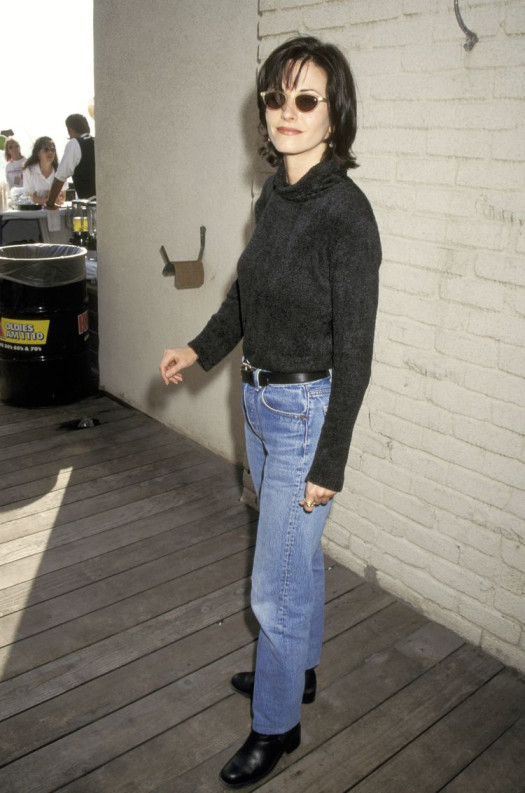
This is the outfit I reach for when I have zero time and still need to look pulled together: a fitted black turtleneck, straight leg jeans, a leather belt, boots. I’ve worn a version of this to job interviews, first dates, and long flights, and it has never once read as wrong for the occasion. Throw a camel trench over it and you’ve solved fall dressing for the entire season without a second decision.
4. Tube Top and Duster Coat:

I underestimated this until I tried it on a warm evening when I didn’t want bare arms all night. A tube top with tailored black trousers, topped with a lightweight duster coat left open, gives you movement on top and structure underneath. Heeled sandals and a couple of delicate necklaces finish it without competing with the neckline.
5. Oversized Coat and Tall Boots:

Volume up top, streamlined on the bottom. A big roomy coat with tall boots creates a silhouette that photographs well and actually keeps you warm, which matters more in practice than in theory.
Stick to neutral coat colors, camel, charcoal, cream, if you want something you’ll reach for weekly. This is the piece worth spending real money on, since a well-cut coat outlasts nearly everything else in your closet.
6. Leather Trousers:
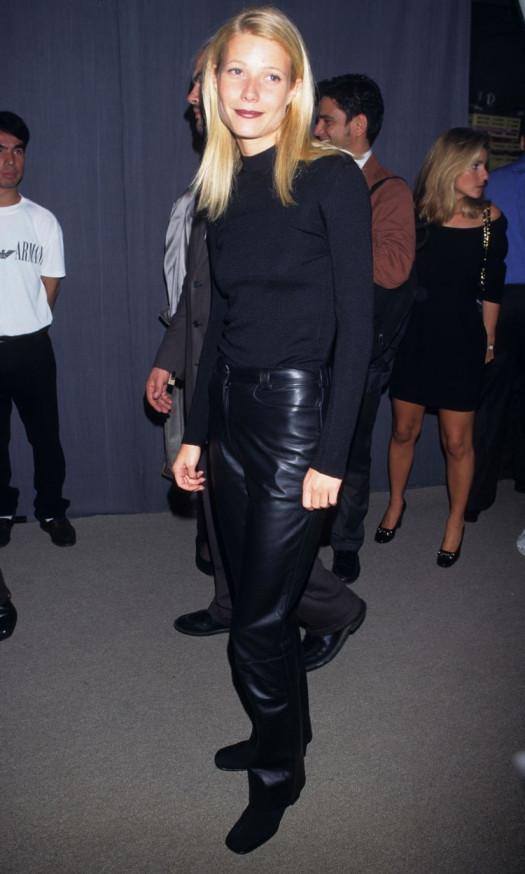
I resisted leather pants for years, assuming they were strictly a going-out item. Then I bought faux leather trousers on a whim and wore them with plain long-sleeve tops for regular errands. They read as elevated even when everything else is basic.
Loafers during the day, heels at night, two outfits from one pair of pants. Faux leather also breathes better and holds up to more washing than real leather, which matters if you’re wearing them often rather than saving them for one event a season.
7. Matching Set:

Matching sets remove the guesswork entirely, which is why I own more of them every year. A cardigan and dress in the same fabric and color feels put together without requiring real decision-making. I’ve worn a knit version to a wedding shower and a linen version to a garden party, and both times people asked where I got it. Wear the cardigan buttoned for something formal, or open over the dress for a relaxed weekend version, same set, two events.
8. T-Shirt and Slip Skirt:
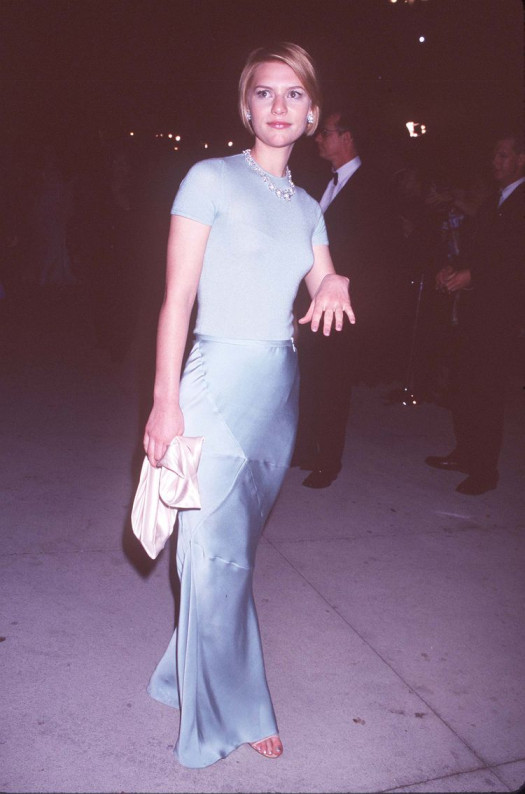
This is probably the single outfit I recommend to friends most. A basic cotton tee with a silky slip skirt takes thirty seconds to put together and somehow looks like you planned it. The contrast between casual cotton and slightly luxe satin is the whole mechanism. White sneakers in the day, strappy heels at night. Same outfit, completely different mood.
9. Little Black Dress:

Everyone should own one slip-style black dress with thin strps and a clean silhouette. I bought mine secondhand for almost nothing, and it has outlasted dresses I paid three times as much for. It doesn’t need embellishment or a trend attached to it, and it works for cocktail parties, dinners, and weddings without being rethought each time.
Keep the jewelry minimal. This dress does the talking, and extra accessories only compete with a silhouette that’s already doing its job.
10. Shiny Statement Coat:

I avoided this one for a long time, assuming shiny fabric meant looking like a disco ball. A glossy or metallic coat over a completely neutral outfit actually reads as sharp rather than costumey, as long as the coat stays the only loud element.
I wear mine over plain black basics, and it gets more compliments than anything else in my closet during winter. The trick isn’t the coat, it’s the restraint underneath it.
11. Distressed Leather Jacket:

This jacket has survived more outfit changes than any other piece I own. Over a floral dress, over denim, over a satin skirt, it makes every combination look more interesting than it would alone. The worn-in texture is what separates it from a stiff new jacket that still looks like it came off a hanger.
If you can find a genuinely worn vintage one secondhand, buy it. The break-in period on a brand-new leather jacket is a real cost, since it can take months before the material moves the way it should.
12. Bralette and Tracksuit:

Athleisure owes a lot to this combination. A loose tracksuit worn open over a fitted bralette looks relaxed but still deliberate, especially in matching neutral tones. I wear this for early flights because it’s comfortable for hours of sitting but doesn’t look like I gave up on dressing entirely. Chunky sneakers and a crossbody bag round it out, and the fitted layer underneath is what stops it from reading as pajamas.
13. Cargo Pants and Bucket Hat:

Cargo pants made a real comeback, and the pokets alone justify it. I use them constantly, keys, phone, lip balm, no bag needed. Paired with a plain tee and a bucket hat, it feels like an authentic throwback without trying too hard. Swap the bucket hat for a baseball cap if bucket hats feel like too much. The cargo pants do the era-specific work either way.
14. Overalls:

Overalls work at nearly every age and season depending on what’s layered underneath. A tank top in summer, a fitted sweater in winter, same pair, both seasons. What keeps them from reading as childish is proportion: a fitted layer underneath stops the loose denim from swallowing your shape.
Roll the cuffs slightly and add chunky sneakers or platform sandals. If you’re petite, cropping the leg length matters more here than almost anywhere else on this list, since overalls run long by default and excess fabric at the ankle is what pushes the look toward costume territory.
15. Floral Dress and White Sandals:

Simple, breezy, and about as low-effort as summer dressing gets. A lightweight floral dress with plain white sandals feels fresh every year regardless of what else cycles through. I keep two or three in rotation all summer because they require zero thought and photograph well.
A woven bag and small gold jewelry finish it without adding bulk. Look for a dress with a defined waist rather than a shapeless cut, that one detail separates put-together from nightgown.
16. T-Shirt and Blazer:
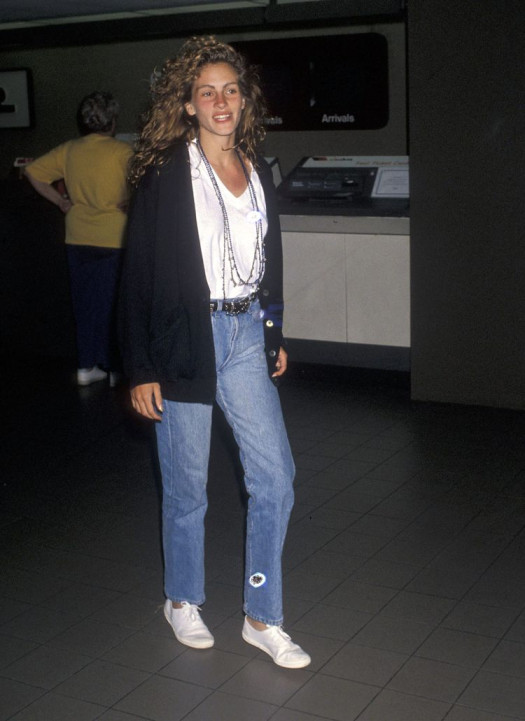
This might be the most useful formula on the entire list, and the one I’d buy first starting from nothing. A plain tee, regular jeans, and a structured blazer thrown over the top instantly reads as smart casual. I’ve worn this to client meetings, lunches, and a casual wedding, and it adjusted to all three just by changing the shoes. Go oversized on the blazer for a current interpretation, or keep it fitted for something more formal.
17. Off-the-Shoulder Dress:

This neckline keeps returning for formal events because it flatters a wide range of body types and photographs well from almost any angle. It works particularly well if you’re self-conscious about your arms, since the fabric drapes rather than clings. Keep the jwelry minimal since the neckline is already doing the work, and let your hair be sleek or loosely waved to show the shoulder line rather than cover it.
18. Halter Dress:

Clean lines, a simple silhouette, and it works in cotton, linen, or satin. I’ve worn a linen version to daytime events and a satin version to evening dinners, and both felt appropriate without needing to be dressed up or down much. The neckline also does more for your posture than people expect, since it naturally pulls your shoulders back. Metallic sandals and a small clutch complete it without competing with a neckline that’s already the focal point.
19. Oversized Cardigan and Trousers:

My current go-to for transitional weather. Wide-leg trousers with a big cozy cardigan feels relaxed but still intentional, the exact balance most people mean when they say they want quiet luxury without the price tag.
Loafers or sleek ankle boots keep the proportions balanced instead of letting the outfit swallow you. If you’re shorter than average, a slightly cropped cardigan keeps this from overwhelming your frame.
20. Crop Top and Cutoff Jeans:

Simple, youthful, and still one of the easiest warm-weather outfits that exists. A fitted crop top with classic denim shorts works with sneakers, sandals, or espadrilles. When it cools down in the evening, I throw an oversized linen shirt over the top instead of changing entirely, which has saved more than one temperature swing at outdoor events.
Must-Have Accessories for a Modern ’90s Look:
Accessories help transform vintage-inspired clothing into fresh, contemporary outfits.
Jewelry:
- Gold hoop earrings
- Layered chain necklaces
- Minimal rings
- Tennis bracelets
Bags:
- Shoulder bags
- Mini handbags
- Structured leather totes
- Crossbody bags
Shoes:
- White sneakers
- Chunky loafers
- Combat boots
- Platform sandals
- Strappy heels
Outerwear:
- Oversized blazers
- Leather jackets
- Trench coats
- Denim jackets
- Long wool coats
Common ’90s Fashion Mistakes to Avoid:
Recreating vintage style doesn’t mean copying every trend exactly.
-
Wearing Too Many Trends Together:
Choose one or two signature ’90s pieces rather than combining every trend in one outfit.
-
Ignoring Fit:
Modern tailoring creates a cleaner appearance while preserving the relaxed spirit of the decade.
-
Overaccessorizing:
The ’90s often embraced minimal styling. Keep accessories simple to maintain balance.
-
Forgetting Modern Updates:
Mix vintage-inspired clothing with contemporary footwear and handbags for a fresh interpretation.
-
Choosing Only Oversized Pieces:
Balance oversized clothing with fitted garments to create flattering proportions.
Frequently Asked Questions
Is ’90s fashion still in style for 2026?
Yes. Many ’90s wardrobe staples—including oversized blazers, straight-leg jeans, slip skirts, leather jackets, and minimalist dresses—remain among today’s biggest fashion trends.
What defines a ’90s outfit?
Simple silhouettes, relaxed tailoring, denim, leather, neutral colors, oversized layers, slip dresses, chunky knitwear, and minimal accessories are all signature elements of ’90s fashion.
How can I wear ’90s outfits without looking outdated?
Combine vintage-inspired pieces with modern accessories, updated tailoring, and contemporary footwear for a balanced, current look.
Which shoes work best with ’90s fashion?
White sneakers, loafers, ankle boots, combat boots, platform sandals, ballet flats, and strappy heels all complement classic ’90s outfits beautifully.
What colors were popular in the ’90s?
Black, white, denim blue, beige, olive green, burgundy, camel, gray, navy, and chocolate brown were among the decade’s most versatile colors.
Final Thoughts:
The enduring appeal of ’90s fashion lies in its simplicity. Rather than relying on complicated styling or excessive embellishment, the decade celebrated timeless wardrobe staples that could be mixed, matched, and worn repeatedly. That’s exactly why so many of these outfits continue to feel relevant in 2026.
Whether you prefer oversized blazers, leather trousers, slip skirts, relaxed denim, chunky knits, or elegant dresses, the key is creating balance. Mix vitage inspiration with contemporary accessories, experiment with proportions, and invest in versatile basics that never go out of style.
Fashion trends will continue to evolve, but the effortless confidence and understated elegance of the ’90s remain a constant source of inspiration. By incorporating these timeless outfit ideas into your wardrobe, you can enjoy nostalgic style that still feels fresh, modern, and uniquely your own.