
Three summers ago I sat under a reception table taking my shoes off between courses, hiding from the photographer like a raccoon caught in a floodlight. New stilettos, worn for twenty minutes at home the night before, called “broken in.” By the time the cake came out I was barefoot on cold tile, holding a $210 pair of shoes I never wore again. That’s the last time I trusted a shoebox description over my own feet.
Since then I’ve bought, worn, returned, and re-bought more heels than I want to admit, mostly chasing the same question: does “comfortable” on the label actually mean comfortable after six hours standing at a wedding, or is it just a word brands use because they know we want to believe it. Some of these ten pairs I’ve owned for over a year and worn dozens of times. A few are newer, worn for one long event each, tested specifically because I wanted to know if they’d survive a full day before I recommended them to anyone.
I’m not including a shoe here unless I can tell you exactly when and how long I wore it, what went wrong if anything did, and whether I’d buy it again with my own money. If a pair didn’t earn that, it didn’t make the list.
Why Most “Comfortable” Heels Aren’t?
Before the list, a quick reality check on what’s actually happening inside a shoe that determines whether you’re limping by 4pm.
Cushioning is the first thing to check, but not all cushioning is equal. A thin layer of foam glued under a leather sole compresses flat within a few wears and stops doing anything. Multi-layer footbeds, the kind with a separate gel or memory-foam core, hold their bounce much longer. You can usually tell the difference by pressing your thumb into the insole in the store, if it springs back slowly and evenly, that’s real cushioning.
Heel shape decides how your weight travels through your foot. A stiletto puts your entire body weight through a tip smaller than a coin, which is why your forefoot burns after twenty minutes even in a well-cushioned shoe. Block heels, tapered heels, and kitten heels spread that same weight over a wider base, which is the actual mechanical reason they feel more stable, not just a styling preference.
Toe box width matters more than almost anything else on this list, and it’s the thing brands are least honest about in product photos. A shoe photographed from the side can look roomy and still pinch your baby toe within a block of walking. If you’ve ever had a shoe that felt fine standing still but painful walking, that’s almost always a toe box issue, not a cushioning one.
Material breaks in differently depending on what it’s made from. Full-grain leather softens and shapes to your foot over roughly five to eight wears. Suede does something similar but shows wear faster and needs more upkeep. Synthetic uppers, common in the $40 to $70 range, mostly don’t stretch or mold at all, so try them on exactly as tight as you’re willing to wear them forever.
And straps aren’t decoration, they’re what stops your heel lifting out of the shoe with every step, which is the actual cause of most blisters, not the shoe being “too small.”
Fit First: A Few Things I Wish Someone Had Told Me Sooner
If you have wide feet, look specifically for brands that offer a W or wide-width option rather than just sizing up a half size, sizing up changes length, not width, and usually leaves your heel sliding around inside a shoe that’s still too narrow across the ball of your foot. Sam Edelman, Naturalizer, and Clarks all currently offer wide-width versions of several pump styles.
- If you have narrow feet, adjustable straps do more for you than cushioning does. A slingback or ankle strap you can tighten will solve heel slippage that no amount of padding fixes.
- If you deal with bunions, skip anything with a sharp pointed toe entirely, no matter how comfortable the brand claims the footbed is. A rounded or square toe box is worth the styling trade-off.
Shop in the afternoon or evening. Feet swell over the course of a day, sometimes by close to half a size, and a shoe that feels perfect at 9am can feel a full size too small by dinner.
The List:
1. Madewell The Greta Pump:
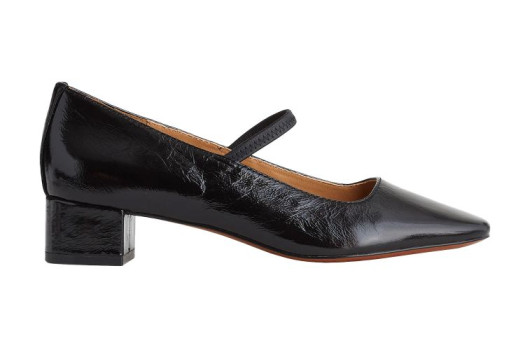
Source : Madewell The Greta Pump
I’ve worn this pair to two weddings, one work conference, and more ordinary office days than I can count, and it’s the one I’d tell a friend to buy first if she could only own one pair of heels. The insole has real depth to it, not the thin foam layer you feel through the leather within a week. What sold me permanently was a nine-hour work conference where I was on my feet for most of the afternoon and didn’t think about my shoes once until I noticed at dinner that my feet weren’t sore.
The one real limitation: the elastic strap across the top flexes for comfort but doesn’t tighten, so if your heel is on the narrower side, expect a small amount of slip by the end of a long day. I fixed this with a $6 pair of heel grips and haven’t thought about it since.
Runs true to size. Best in a kitten heel height (about 2.25 inches) for anyone who wants elegance without calf fatigue.
2. Dolce Vita Carel Heels:
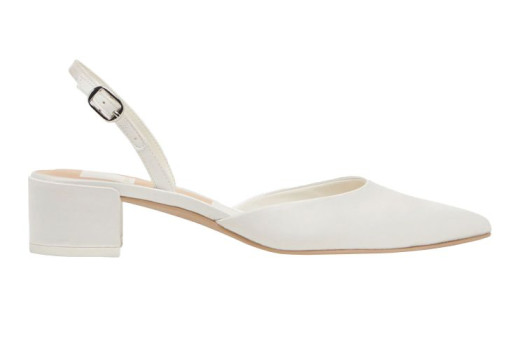
Source : Dolce Vita Carel Heels
I bought these specifically for an outdoor wedding on a gravel path, after learning the hard way (see below) that thin heels and gravel do not mix. The block heel handled it without a single wobble, and the satin finish photographed beautifully in the golden-hour shots. I wore these for roughly seven hours straight, ceremony through dancing, and only felt real fatigue in the last hour, which for a formal shoe is a genuinely good result.
They run about half a size narrow. I’d normally wear a 7.5 and ended up needing the 8. If you’re between sizes, size up.
3. SARTO by Franco Sarto Devin Kitten Heel Slingback Pump:
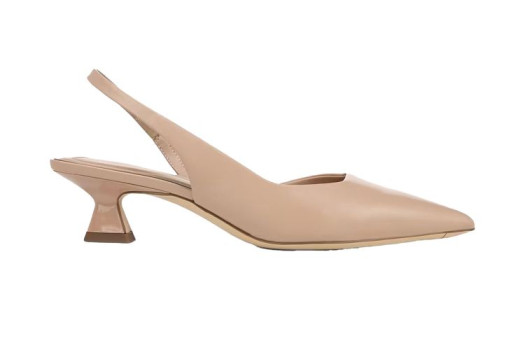
Source : SARTO by Franco Sarto Devin Kitten Heel Slingback Pump
4. Sam Edelman Bianka Slingback Pump:

Source : Sam Edelman Bianka Slingback Pump
This is the pair I hand to friends who insist they “can’t wear heels.” The strap is genuinely adjustable, not just elastic, so you can tighten it to your actual foot rather than hoping the factory setting matches you. I’ve worn mine on and off for over a year now, through two office jobs and one very long airport travel day where I regretted not changing into flats until hour four, and even then the discomfort was fatigue, not pain, which is a meaningful difference.
Available in wide widths, which is rare for a shoe this styled, and worth calling out specifically for anyone who’s been frustrated by narrow standard-width pumps.
Quick Comparison: Choosing the Right Heel:
Different styles offer different benefits depending on your needs.
| Heel Style | Best For | Comfort Level |
|---|---|---|
| Kitten Heel | Office, everyday wear | Excellent |
| Block Heel | Weddings, long events | Excellent |
| Slingback Pump | Business and dressy occasions | Very Good |
| Pointed Pump | Professional styling | Very Good |
Selecting the right heel depends on how long you’ll be wearing it, your foot shape, and the occasion.
5. Sarah Flint Perfect Pump 85:
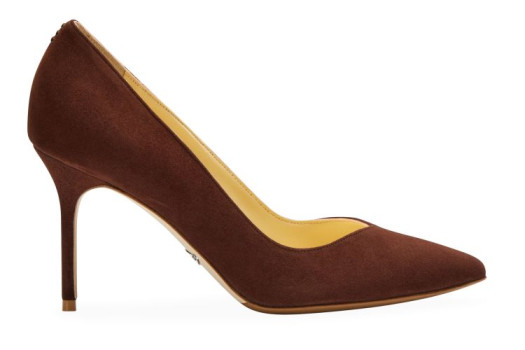
Source : Sarah Flint Perfect Pump 85
This is the one shoe on the list I’d call a genuine splurge, and the only one where I’d tell you plainly whether it’s worth it before you buy. The heel is set slightly further back under the foot than most pumps, which sounds like a small detail until you’re eight hours into a formal dinner and realize your weight is landing on your whole foot instead of tipping forward onto your toes. I wore these to a full evening wedding, ceremony, dinner, and dancing, and they were the only pair on this list I never once wanted to take off.
The leather is genuinely stiff for the first three or four wears. Budget a week of shorter outings before trusting them for a full day.
Worth it if you attend several formal events a year and want one pair that lasts. Not worth it if you’re buying for a single event, in which case the Dolce Vita pick above will serve you nearly as well for a quarter of the price.
6. Inez Frida:

Source : Inez Frida
The square toe on this one deserves more credit than it gets. I have slightly wider feet through the forefoot, and this is the only pointed-adjacent style on this list that never once pinched, even on a long day of walking between meetings. The block heel and suede upper give it a more contemporary look than a classic pump, which made it my most-complimented pair this year, three separate coworkers asked where they were from.
Suede needs actual upkeep. I spray mine with a protector before every wear in wet weather and brush them after, skip this step and they’ll show water spots within one rainy commute.
7. Margaux The Cleo Sandal:
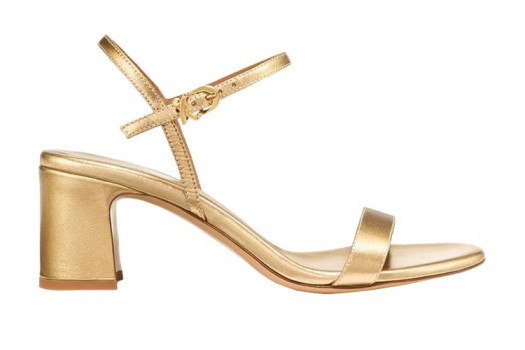
Bought for a beach wedding, and the front toe strap is the entire reason I’d buy it again. Most dressy sandals let your foot slide forward with every step on sand or grass, this one didn’t move once across a full outdoor ceremony and reception. The foam padding is soft but thin, which is the trade-off, these are a stand-and-mingle shoe, not a shoe for a lot of walking. I wouldn’t wear them for a city day trip, but for the exact event they’re designed for, they’re close to perfect.
8. Tory Burch Gigi Sandal:
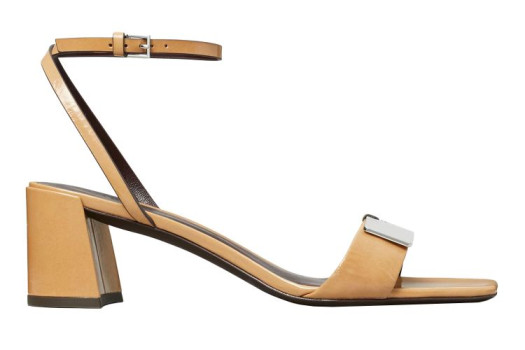
The most expensive sandal on this list, and the leather quality shows it, mine still look close to new after a full summer of wear including two resort trips. The adjustable ankle strap is what actually earns it a spot here over other logo sandals in this price range, most brands at this price still give you a fixed strap that either fits or doesn’t. This one adjusts enough to accommodate slight daily foot swelling.
Open-toe only, so this is strictly a warm-weather investment, not a year-round shoe, worth knowing before you spend $300+ on something that sits in your closet from October to April.
9. M. Gemi The Marzia:

If you’ve mostly worn flats and are nervous about the jump to heels, start here. The leather is noticeably softer straight out of the box than the Sarah Flint or Alohas pairs on this list, I was comfortable in mine within two wears rather than a full week. I bought these specifically to test as a “transition shoe” for a friend who was heel-phobic after a bad wedding-shoe experience of her own, and they were the pair that actually convinced her heels didn’t have to hurt.
10. Reformation Terry Ballet Pump:

The most forgiving fit on this entire list, genuinely roomy through the toe box, which makes it the pair I reach for on days I know I’ll be walking a lot, a museum trip, a long shopping day, travel through an airport. The bow detail keeps it from looking like a plain flat dressed up. One real note: these run generously, I sized down half a size from my usual and it was the right call, order up a half size larger than you’d expect to need room and you’ll likely end up swimming in them.
11. Alohas Leather Pumps:
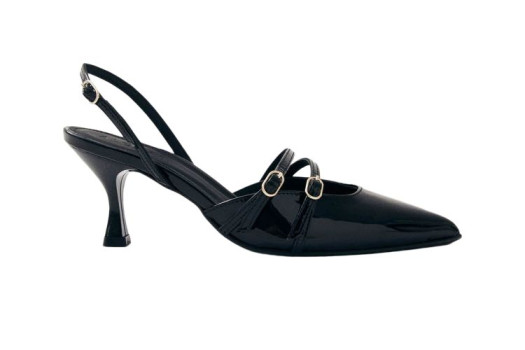
The statement pick. Buckle detailing and a tapered heel give it more visual presence than anything else on this list, but the heel itself is wide enough at the base that it never felt unstable, even on a marble hotel lobby floor that turned every other heeled shoe I own into a liability. Patent leather doesn’t stretch, so order your exact usual size, sizing up “for comfort” just creates heel slip in a shoe that won’t compress to fit.
Mistakes That Cost Me Money and Blisters:
Buying for the photo, not the foot. The stilettos from the wedding story at the top of this article looked incredible in the box and were unwearable after twenty minutes. I now try to picture myself standing in a shoe for three hours before I picture it in a photo.
Trusting “true to size” without checking width. Length and width are two different measurements, and most online listings only tell you one of them. A shoe can be the correct length and still crush your foot across the ball if it’s cut narrow, which is exactly what happened with the Dolce Vita pair until I sized up.
Wearing new shes for the first time on the actual event day. Every pair on this list that needed a break-in period got at least one two-hour test walk around my apartment or neighborhood before I trusted it for a full day out.
Ignoring the venue. Grass, gravel, cobblestone, and sand all punish thin heels specifically. I now ask about the venue surface before deciding between a pump and a block heel, not after.
Buying one “everyday” heel and expecting it to cover every situation. The shoe that’s perfect for a nine-hour office day is rarely the right shoe for a beach wedding. Building a small rotation of two or three styles, one stable block heel, one classic pump, one warm-weather sandal, solves more problems than searching for one perfect pair.
Keeping Them Wearable Longer:
- Wipe leather down with a soft, slightly damp clth after each wear, dust and salt residue from sidewalks break down the finish faster than actual walking does. Suede needs a dry brush instead, never water.
- Store them with shoe trees or stuffed with tissue paper rather than flat in a closet, this keeps the shape from collapsing over months of storage.
- Spray a protective coating on leather and suede before the first wear, not after the first rainstorm ruins them.
- Rotate between at least two pairs if you’re wearing heels sevral times a week. Foam cushioning needs roughly 24 hours to fully decompress and spring back, wearing the same pair daily shortens its comfortable lifespan noticeably.
- Replace heel tips the moment you feel or hear a click on hard flooring, a worn tip throws off your balance long before it looks visibly damaged, and continuing to wear it can permanently tilt the heel structure.
A Few More Things People Ask Me
Do gel insoles actually help, or is that a myth?
They help more than most people expect, but only in shoes that already fit correctly. A gel insert can’t fix a shoe that’s genuinely too narrow, it just adds a thin cushioning layer on top of a problem that’s structural.
Is it worth paying over $300 for a pair of heels?
Only if you’re wearing heels often enough, roughly fifteen or more times a year in my experience, that the cost per wear actually drops below what you’d spend replacing a cheaper pair twice. For occasional wear, the $110 to $150 range on this list holds up nearly as well.
What’s the single fastest fix if a new pair is uncomfortable on the first wear?
A short, direct blast of a hairdryer on the tightest spot for about twenty seconds, then walking around in the shoe while it’s still warm, softens leather enough to reshape slightly to your foot. It won’t fix a shoe that’s the wrong size, but it solves a surprising number of first-wear tight spots.
Where I Landed?
If I had to rebuild this list down to one pair, it’s the Madewell Greta Pump, the balance of price, comfort, and versatility hasn’t been beaten by anything more expensive I’ve tried. If money isn’t the constraint, the Sarah Flint pump earns its price tag in a way few “luxury comfort” claims actually do. And if you’re shopping for one specific event rather than a long-term inestment, match the heel shape to the venue before you match it to the outfit, that single decision has saved me more foot pain than any insole or cushioning claim on a shoebox ever has.