

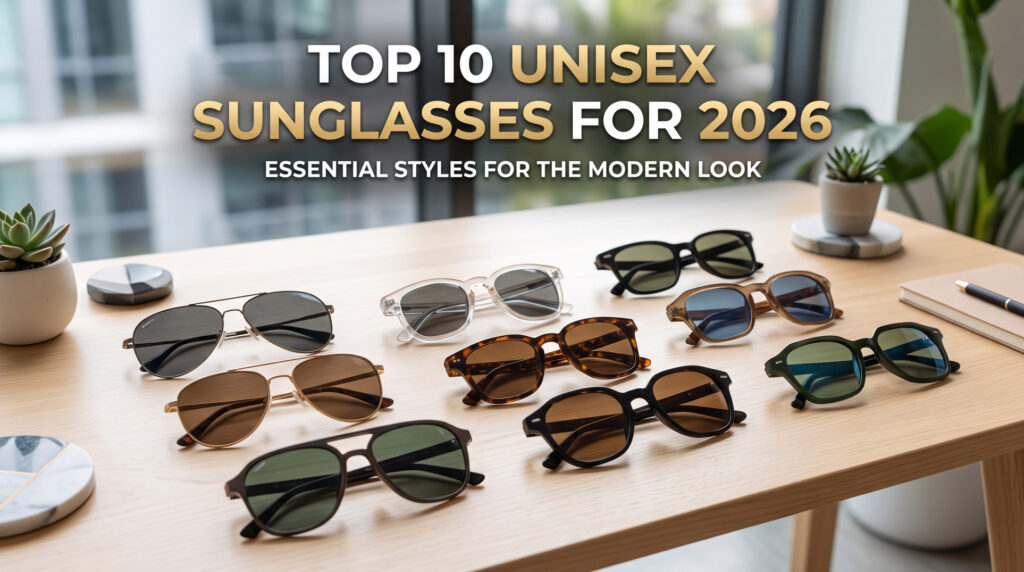
Last summer I borrowed my partner’s sunglasses at a gas station because I’d left mine on the kitchen counter. They looked better on me than my own pair ever did, and that one moment sent me down a two year rabbit hole of buying, returning, and testing sunglasses that actually work for both of us instead of sitting in separate “his” and “hers” drawers. That’s the part nobody tells you about sunglasses shopping. You don’t need two collections. You need one good collection that doesn’t care who’s wearing it.
Unisex sunglasses have quietly tken over the eyewear world, and it’s not just a marketing label. Brands have figured out that a well built frame with a balanced shape looks good on pretty much any face, regardless of gender. Less inventory for them, fewer decisions for us. This guide covers ten unisex frames worth knowing about in 2026, roughly grouped by budget, along with the buying knowledge I wish someone had handed me before my first (bad) purchase.
Quick Comparison:
| Pick | Style | Typical Price Range* | Best For |
|---|---|---|---|
| Ray-Ban Clubmaster | Browline | Mid-range | Everyday, business casual |
| Ray-Ban Aviator | Aviator | Mid-range | Travel, all-purpose |
| Savannah 8121 | Wayfarer | Budget | Beach, festivals |
| Adidas Originals AOM003 | Sport minimalist | Budget to mid | Active lifestyles |
| Univo SP156 | Oversized aviator | Budget to mid | Vacation, statement style |
| Celine CL 41370/S | Minimalist luxury | Premium | Business travel, luxury everyday |
| Superdry SDS-ENSO | Understated classic | Budget to mid | Office, commuting |
| Porsche Design P8479S1 | Shield | Premium | Driving, streetwear |
| Vuarnet VL1613 | Round metal | Premium | Outdoor adventure, beach |
| #totallook DW011 | Oversized square | Budget | Trend-driven, casual |
*Prices shift often and vary by retailer and region — check current listings before buying rather than relying on any fixed number here.
Why Unisex Sunglasses Actually Make Sense Right Now?
I used to think “unisex” was a label slapped on boring frames nobody wanted to commit to. I was wrong. A few reasons this category keeps growing:
- One pair genuinely works for both people in a household, which matters more than it sounds like once you’ve lost your third pair this yar
- The shapes tend to be classic, so they don’t look dated in eighteen months
- They move from a beach day to a work lunch without feeling out of place
- Frame colors and lens tints have expanded a lot, so “unisex” no longer means “plain”
- If you travel light, one solid pair covers more scenarios than a gender-specific frame ever did
None of this means style went out the window. If anything, the pressure on brands to make one frame appeal to everyone has pushed designs to get better, not blander.
How to Actually Choose the Right Pair
Before you buy anything, a few basics will save you money and regret. I skipped these the first three times I bought sunglasses and paid for it later.
Match the frame to your face, not the other way around: Round faces usually look sharper in square or rectangular frames, since the angles balance out the curve of the face. Square jawlines tend to soften nicely with round or oval lenses. Oval faces have the most flexibility and can wear almost anything. Heart shaped faces often look best in aviators or frames with a slight curve at the bottom, which balances a narrower chin.
Don’t skip UV protection to save money: I learned this the hard way with a cheap pair from a street vendor. They looked fine but blocked almost no UV, and I ended up with more eye strain by the end of the day than if I’d worn nothing at all. Look for a label or product description that specifically states 100% UVA/UVB protection not just “UV protection,” which can be a vaguer, weaker claim. If a seller can’t confirm this in writing, don’t buy from them.
Lens color changes more than the look: Gray lenses keep colors close to true-to-life, which I prefer for driving since road signs and brake lights stay accurate. Brown and amber lenses boost contrast, which helps on overcast days or on trails where you need to spot uneven ground. Green sits in between. Mirrored coatings cut glare hard, which matters most somewhere like open water or snow where light bounces at you from mltiple directions.
Comfort beats style if you’re wearing them all day: A frame that pinches your temples after two hours isn’t a good frame no matter how it looks in photos. Before buying, push the frame up and down your nose a few times and check how the arms sit behind your ears that ten-second test tells you more than any spec sheet.
Understanding Lens Technology (It’s Not All Marketing):
For years I assumed darker lenses meant better protection. That’s not how it works, and understanding the difference actually changes which pair is right for you.
Polarized lenses: cut glare off flat, reflective surfaces like water, wet asphalt, or snow. Standard tinted lenses dim the light; polarized lenses filter out the specific glare that bounces off horizontal surfaces. If you drive often, fish, or spend time near water, this is worth the extra cost the difference is noticeable the first time you drive into low afternoon sun.
Gradient lenses: are darker at the top and lighter toward the bottom, so you get shade from overhead sun while still being able to read your dashboard or phone clearly. Useful for daily driving and often overlooked.
Mirrored coatings: reflect back a portion of incoming light before it reaches your eyes, which helps in high-glare environments like beaches, snowfields, or open water.
Photochromic lenses: adjust automatically between indoor and outdoor light levels. Convenient if you hate swapping glasses constantly, though they take a few minutes to fully lighten indoors, which can feel odd at first.
The List: 10 Unisex Sunglasses Worth Knowing in 2026
1. Ray-Ban Clubmaster:
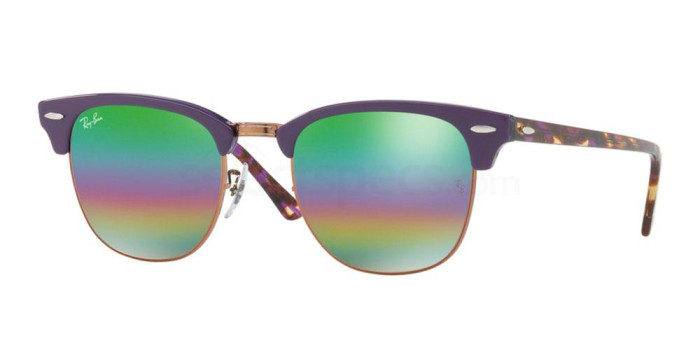
The browline shape gives your face structure without looking heavy, which is probably why this design has stayed relevant since the 1950s. It works with a hoodie just as easily as a blazer, which is rare for a frame this recognizable.
The frame is typically built from a mix of acetate up top and metal along the lower rim, keeping weight low without feeling flimsy. Lens options range from classic green to modern polarized gray.
Best for: daily wear, business casual, weekend trips. Watch out for: the acetate frame can show scratches over time if stored loosely, so a case matters more here than with all-metal frames.
2. Ray-Ban Aviator:
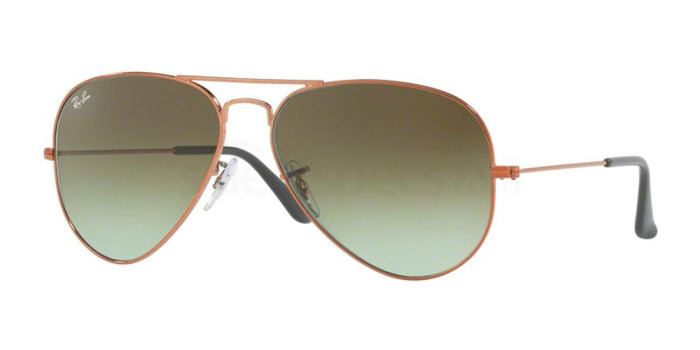
Originally built for pilots who needed wide peripheral coverage at altitude, the teardrop lens shape ended up flattering nearly every face shape by accident. That’s part of why it’s stayed a bestseller for decades rather than fading into a single era.
The lightweight metal frame is comfortable for long wear, though it can bend slightly out of true if tossed loosely into a bag — a hard case fixes this instantly and is worth the extra few dollars at checkout.
Best for: travel, road trips, everyday errands. Watch out for: adjustable nose pads are a nice feature, but they can also loosen with heavy use, so check the fit periodically.
3. Savannah 8121 Wayfarers:

Not every pair needs to be an investment piece. This one earns its spot by doing the wayfarer silhouette well at a price where losing them at the beach isn’t a minor tragedy.
Construction is simpler than the pricier picks on this list, and it shows in smaller details like hinge stiffness, but the core fit and coverage hold up fine for casual use.
Best for: vacations, festivals, anywhere you don’t want to babysit an expensive pair. Watch out for: as with most budget frames, double-check the UV protection labeling specifically rather than assuming a dark tint means you’re covered.
4. Adidas Originals AOM003:
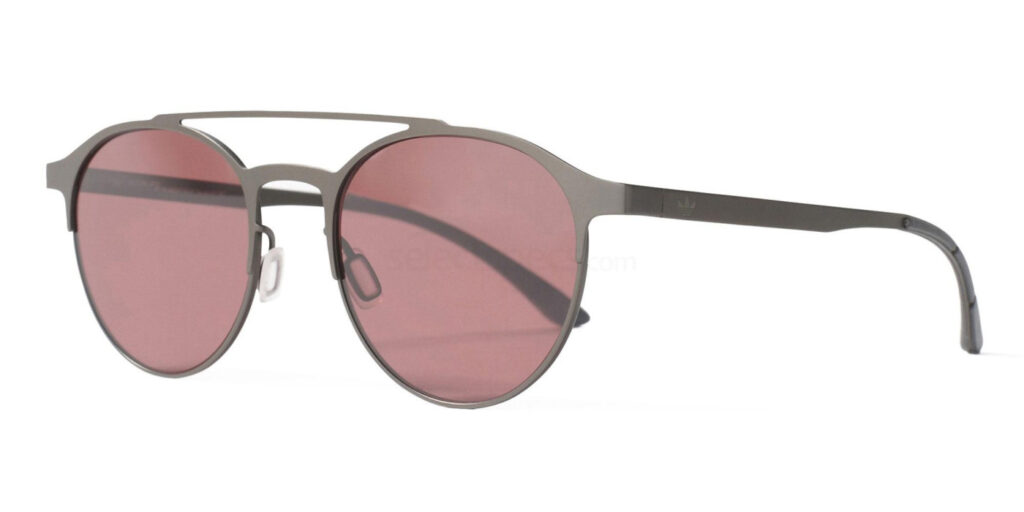
This is the pick for anyone who’s active. The frame uses a lightweight sport-oriented build that stays secure during motion without the bulky, obviously-athletic look older sport sunglasses had. The minimalist shape keeps it from looking purely functional, so it crosses over into daily wear better than most sport-branded eyewear.
Best for: workouts, commuting, casual office days. Watch out for: sport frames like this tend to run slightly tighter at the temples by design, for a secure fit during movement, so try before buying if you have a wider head shape.
5. Univo SP156:

Oversized aviator shape, tortoiseshell finish, strong vintage energy. This is the pair on the list most likely to get you a compliment from a stranger. Because it runs larger than standard aviators, it provides more sun coverage across the cheekbones, which is genuinely useful in bright climates, not just a style choice.
Best for: vacations, city exploring, anyone who wants a frame with personality. Watch out for: the larger silhouette won’t suit smaller face shapes as well try it on in person if you can before ordering online.
6. Celine CL 41370/S:
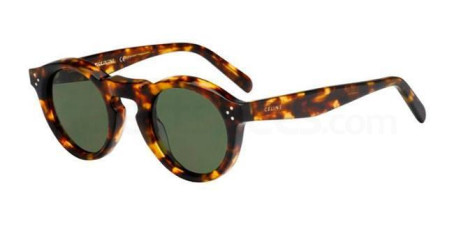
This is the premium pick, and the price reflects genuine differences in materials and construction, not just the logo. The minimalist silhouette is deceptively simple: no obvious branding, just clean lines that read as expensive because the build actually is. Hgher-end acetate and hinge construction tend to hold shape and color better over years of wear compared to budget frames, which is the practical argument for spending more here if it fits your budget.
Best for: business travel, upscale everyday wear. Watch out for: at this price point, insurance or a protective case isn’t optional — treat it like the investment it is.
7. Superdry SDS-ENSO:

Not flashy, and that’s the appeal. Neutral tones and clean lines mean it pairs with nearly everything, which is why understated frames like this tend to become the most-worn pair in someone’s collection rather than the most photographed.
Best for: commuting, office wear, low-effort outfits that still look put together. Watch out for: because the design is so plain, frame color choice matters more than usual go with a shade that actually complements your skin tone rather than defaulting to black.
8. Porsche Design P8479S1:

The shield lens shape isn’t subtle, and it takes some gtting used to if you’re not used to bold eyewear. What justifies it is the wide field of vision the shape provides, which is a genuine functional benefit for driving and outdoor sports, not just an aesthetic choice.
Best for: driving, outdoor sports, streetwear-forward outfits. Watch out for: this is a statement frame, not an everyday-blend-in pair know what you’re buying it for before you commit to the price tag.
9. Vuarnet VL1613:

Vuarnet has built its reputation on mineral glass lenses, which behave differently from standard plastic or polycarbonate lenses. Glass resists scratching better and tends to deliver sharper optical clarity, at the cost of slightly more weight and a higher price. The round metal frame keeps the look elegant rather than sporty, so it wrks in a city setting as well as it does outdoors.
Best for: beach trips, outdoor adventure, anyone who prioritizes lens quality over frame trends. Watch out for: glass lenses, while more scratch-resistant, are heavier and can shatter rather than flex on a hard impact — a real tradeoff worth knowing before you buy.
10. Totallook DW011:

Oversized square frame, transprent finish, low price. This is the pick for people who like switching up their accessories often and don’t want to feel bad about it a season later.
Best for: shopping trips, summer holidays, casual everyday wear. Watch out for: trend-driven frames like this tend to have a shorter style lifespan by design treat it as a fun seasonal buy rather than a long-term investment piece.
Keeping Your Sunglasses Alive Longer Than You’d Expect:
Sunglasses die from neglect more often than accidents. A few habits extend their life significantly:
- Clean lenses with a microfiber cloth and a lens-specific cleaning spray not your shirt, a napkin, or your breath and sleeve. Cheap cloths and paper products carry fine particles that leave micro-scratches you won’t notice until the lens looks foggy in bright light.
- Use the case. Tossing sunglasses loose into a bag is the single most cmmon way arms get bent and lenses get scratched.
- Keep them out of hot cars. Dashboard heat can warp plastic frames and degrade lens coatings faster than most people expect.
- Remove them with both hands. One-handed removal puts uneven stress on the hinges over time, which shortens their lifespan.
- Get loose screws tightened. Most eyewear shops will do this for free or close to it. A wobbly frame is a five-minute fix, not something to just live with.
Mistakes Worth Avoiding:
- Buying purely on looks without trying them on:
A frame that looks great on a model or in product photos doesn’t automatically fit your face the same way.
- Assuming dark lenses mean protected eyes:
They don’t. Tint darkness and UV protection are separate specifications, and plenty of cheap sunglasses have one without the other.
- Ignoring how you’ll actually use them:
A fashion-forward oversized pair might look great in vacation photos but perform poorly for driving if the peripheral coverage is too wide or the tint is too dark for changing light conditions.
- Skipping the fit check:
Too loose and they slide down your nose all day. Too tight and you’ll get a headache by hour three. Neither is worth it just because the color matched an outfit.
Budget Breakdown:
If cost is your main filter, here’s roughly how these ten break down:
- Budget-friendly: Savannah 8121, #totallook DW011, and the lower end of the Adidas Originals AOM003 lineup — good for anyone who wants style without a big financial commitment, or who tends to lose or damage sunglasses often.
- Mid-range: Ray-Ban Clubmaster, Ray-Ban Aviator, Univo SP156, Superdry SDS-ENSO — the sweet spot for most buyers, balancing build quality with a price that doesn’t sting if something happens to them.
- Premium: Celine CL 41370/S, Porsche Design P8479S1, Vuarnet VL1613 — worth it if you wear sunglasses daily and want materials and construction that hold up over years, not just one season.
Frequently Asked Questions
Do unisex sunglasses actually fit different face shapes well?
Yes the category spans aviators, square frames, round metal styles, and more. “Unisex” describes design intent and marketing, not a single universal shape, so face-shape matching still matters when choosing within the category.
Is polarized worth the extra cost?
If you drive often, spend time near water, or deal with regular glare, yes. If you mainly wear sunglasses for short walks or errands, it’s a nice-to-have rather than essential.
What’s the safest first purchase if I’m not sure what suits me?
Aviators, wayfarers, and clubmasters have stayed relevant for decades because they suit a wide range of face shapes. They’re a reasonable starting point before branching into bolder styles like oversized or shield frames.
Can any of these handle physical activity?
Lighter, snugger-fitting frames like the Adidas pick handle movement well. Heavier statement frames, like the Porsche Design shield style, are better suited to lower-impact use.
How do I know when to replace a pair?
Once lenses are visibly scratched, UV coating feels degraded (more glare or eye strain than usual), or the frame no longer sits securely, it’s time. Well-made frames with proper care can last several years before reaching that point.
Final Thoughts:
A borrowed pair of sunglasses at a gas station turned into a gnuine interest in eyewear, which wasn’t the plan but here we are. The real lesson from all the trial and error is that “unisex” isn’t a compromise it’s usually the smarter choice. Better shapes, more shared use, less clutter in the house.
Whether you land on something classic like the Ray-Ban Aviator, something bold like the Porsche Design shield frame, or something budget-friendly you won’t stress over losing, the goal stays the same: protect your eyes, feel good wearing them, and stop treating “for men” or “for women” as a meaningful filter. The best pair of sunglasses is the one you actually reach for every time you walk out the door.