
I brought my colorist a Pinterest board with forty saved photos once. She looked at it, looked at me, and said, “Okay, but what do you actually want your hair to do for you?” I didn’t have an answer, and that appointment ended up teaching me more about picking a balayage color than any article had.
Balayage (a hand-painted highlighting technique where color is freehanded onto sections of hair rather than foiled strand by strand) is forgiving, low-maintenance compared to full color, and genuinely one of the best ways to add depth to brown hair. But “brown balayage” covers a huge range, from barely-there espresso swirls to full blonde-on-brown transformations, and picking the wrong one for your undertone or lifestyle is an easy way to end up back in the chair asking for a fix.
This list breaks down 15 real variations, what each one actually looks like day to day, who it tends to suit, and what to ask for so you don’t leave the salon disappointed.
Balayage vs Highlights vs Ombre: What’s Actually Different?
Before the list, it’s worth clearing up a mix-up a lot of people bring into consultations.
Highlights: are foiled, meaning color is applied to isolated strands wrapped in foil, which creates more uniform, defined streaks. Balayage: is painted on freehand, without foil, which gives a softer, more blended result that grows out without a hard line. Ombre: is a gradient from dark roots to a distinctly lighter end, usually with a more noticeable transition point than balayage.
If you want subtlety and low-maintenance regrowth, balayage wins. If you want crisp, defined dimension, highlights are closer to what you’re picturing. If you want a bold two-tone gradient, ask for ombre specifically, since some colorists use the terms loosely and you could end up with something more dramatic than expected.
1. Beachy Sand Balayage:
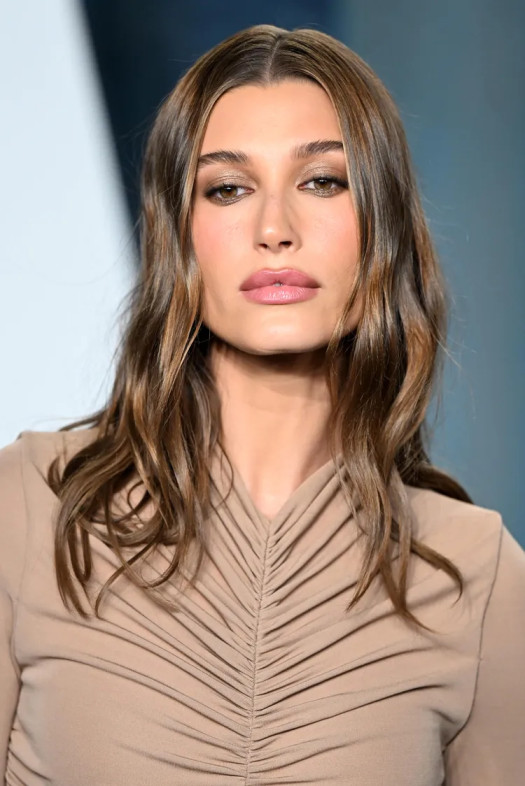
Dark brown base, sandy warm-blonde pieces concentrated around the face and ends. It reads like the color you’d naturally get from a summer spent outside, not a salon appointment. The color depositing shampoo is doing more work here than people expect. Ask specifically for “soft sandy” tones rather than platinum or icy blonde, since cool-toned lightener fights with a brunette base and tends to look patchy within a few washes.
Best for: naturally dark brown hair, warmer skin undertones, anyone wanting brightness without a dramatic change.
2. Soft Ash Brown Balayage:
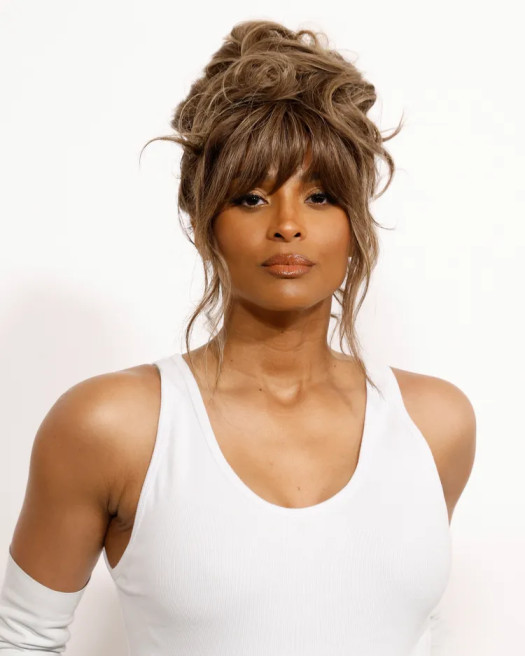
An ashy, cool base with subtle face-framing pieces near the hairline, sometimes called a “money piece” since it’s the section that shows up most in photos and on camera. This one has a real failure point worth knowing about upfront: if your natural hair pulls warm or red, ash tones can process into a dull, slightly greenish cast within a few weeks instead of staying cool. Colorists usually correct for this with a blue or violet-based toner, so mention your hair’s natural undertone at the consultation rather than after the color’s already processed.
3. Mousse Brown Balayage:

A light, cool-toned brown with subtle streaks that brighten the whole complexion without pushing into blonde territory. It sits a step up in dimension from ash brown but stays wearable for offices with conservative dress codes. Good pick if the goal is making your eyes and skin tone pop rather than changing your overall hair color dramatically.
4. Deep Brunette Balayage:

Not everyone wants to go lighter, and this option proves you don’t need to lighten hair at all to get dimension. It layers richness and subtle shine variation within a dark brown palette using low-lift glosses rather than bleach. Because there’s minimal to no lightening involved, this tends to be the least damaging option on this list and the easiest to maintain, since there’s no root regrowth line to manage.
5. Subtle Soft Balayage (Espresso Swirl):

For very dark hair where a dramatic balayage feels like too much. This uses an espresso-based color with just enough movement woven through to catch the light without altering the overall look much. Colorists often describe this as “dimension without commitment,” since it photographs with visible depth in sunlight but looks nearly solid brown under indoor lighting, a nice option if you’re testing whether you like balayage at all before going bolder.
6. Lived-In Light Brown Balayage:
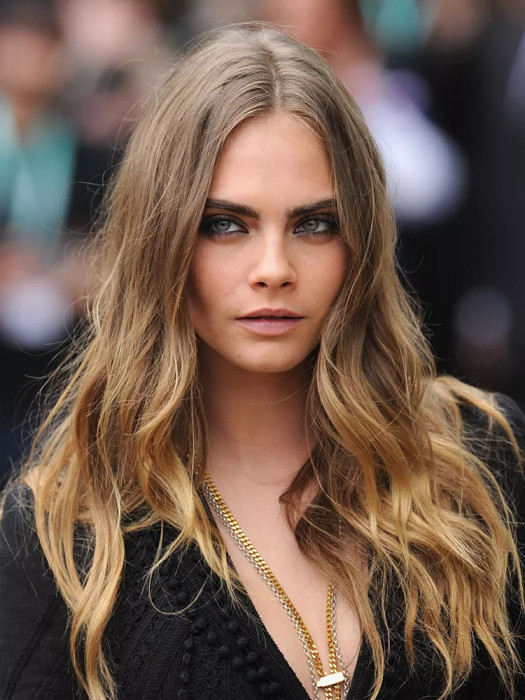
Light brown roots melting into slightly blonder ends, sometimes called “bronde.” It’s the middle ground between committing to blonde and staying fully brunette. The regrowth on this one is genuinely forgiving, since the placement is designed to soften as roots grow rather than create a hard line. If your budget or schedule makes frequent salon visits difficult, mention that specifically. A good colorist can adjust the placement to stretch out comfortably to 12 to 16 weeks between full appointments.
7. Copper Brown Balayage:

Copper tones over a brunette base create a warm, dimensional look that leans autumnal. It’s one of the more eye-catching options on this list and also one of the higher maintenance ones. Copper fades fastest of any tone here, especially with hot showers and frequent washing, since red and orange pigment molecules are the largest and wash out first. A color-depositing conditioner used every week or two extends the vibrancy noticeably between salon visits.
8. Warm Wavy Balayage:

Most balayage placement concentrates color toward the mid-lengths and ends. This variation brings the lightened pieces closer to the root for a more all-over warm effect, and it’s specifically designed to catch texture. If you have natural waves or curls, this placement highlights movement in a way that end-only balayage doesn’t. Ask your colorist to paint with your part and natural fall in mind, since placement that ignores your part line can look uneven once your hair dries and falls naturally.
9. High-Shine Neutral Balayage:

This combines a few techniques at once: foils near the root for controlled lift, concentrated painting around the face, and looser balayage through the rest of the hair. The result is more dramatic and contrasted than single-technique balayage while keeping natural root color intact. Ask for the final gloss to land about four shades lighter than your natural base if you want visible contrast without going full blonde. That specific phrasing, “four shades lighter,” gives your colorist a concrete target instead of a vague “a little lighter,” which is often where mismatched expectations start.
10. Reddish Brown Balayage (Cherry Cola):
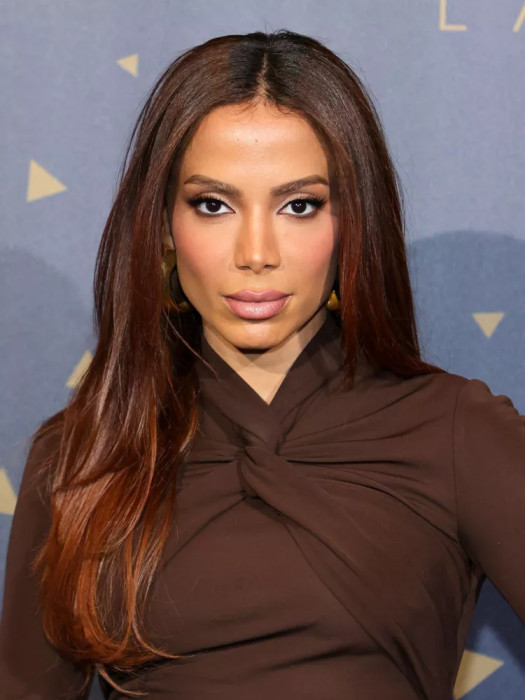
A way to bring red into brown hair without committing to an all-over red color, which requires far more upkeep than most people expect (red fades fastest of any hair color family and needs monthly glossing to stay vivid). Cherry cola works because the red is contained to pieces rather than the whole head, so as it naturally softens between appointments, it fades toward a warm brown rather than looking patchy or brassy.
11. Light Golden Brown Balayage:
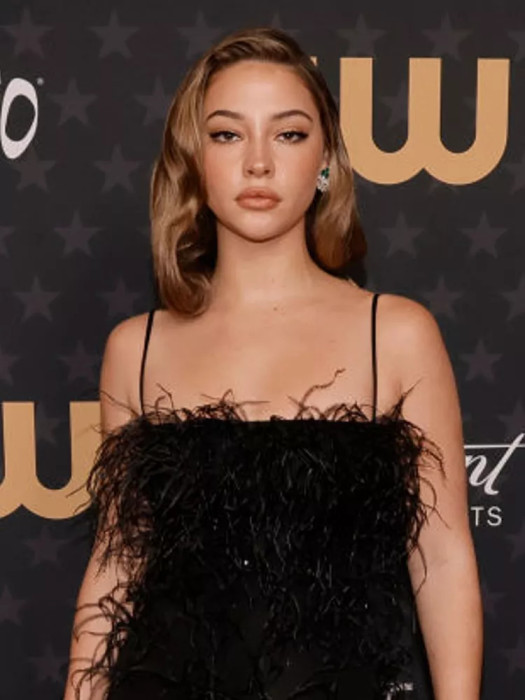
A softer, glossier take that reads as “expensive-looking” mostly because of the shine finish rather than the lightness of the color itself. Ask your colorist for an extra glossing step (often called a “glaze”) after the balayage, this is what gives the mirror-shine finish rather than the color placement alone. Best for special occasions or photo-heavy periods, since the shine is noticeable but the color shift from your natural base stays modest.
12. Blonde Brown Balayage:

For dark-haired people who want visible blonde pieces without the damage and upkeep of an all-over blonde transformation. The key here is restraint in placement, enough blonde to read as intentional and bold, not so much that you’re chasing root touch-ups every five weeks. A good benchmark to ask for: blonde pieces covering roughly 30 to 40 percent of the hair, concentrated around the face and ends, rather than evenly distributed throughout.
13. Dirty Blonde Balayage:

Brown roots blending into a golden, “dirty” blonde through the mid-lengths and ends, one of the most commonly requested balayage looks according to colorists, largely because the brown roots do double duty: they read as low-maintenance and they frame the face in a flattering, natural way. Because the roots stay brown by design, this is one of the more forgiving options if you tend to skip appointments, the grow-out simply blends into more brown rather than creating a visible line.
14. Rich Mocha Balayage (Reverse Balayage):
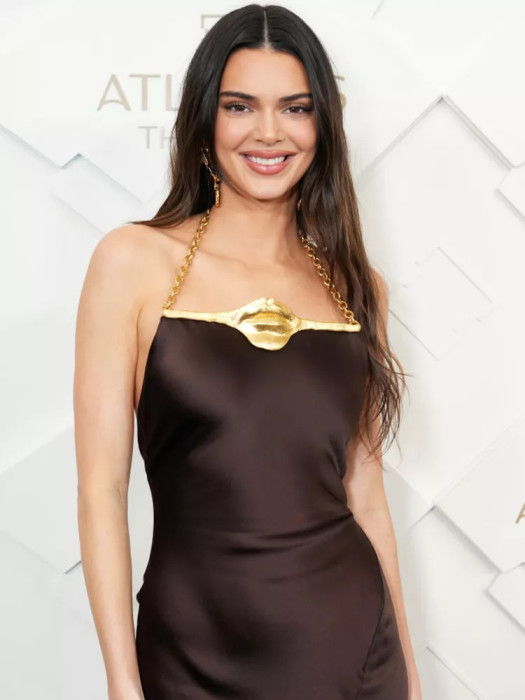
Instead of lightening hair, a reverse balayage adds depth by working a darker color from the roots downward while keeping the ends naturally lighter. It’s specifically useful if you bleached your hair over the summer and want to walk some of that damage back without losing all your lightness.
This technique repairs the look of over-processed ends by reintroducing tone and shine rather than more lightener, which makes it a genuinely good damage-control option, not just an aesthetic choice.
15. Blonde on Brown Balayage:

The boldest option here: most of the hair is lightened well beyond the natural root color, with dark brown roots left as a deliberate contrast. It’s dramatic, it photographs beautifully, and it is the highest-commitment option on this list.
Be realistic about the maintenance: this typically needs toning every 4 to 6 weeks to prevent brassiness, plus a bond-repair treatment worked into your routine, since this much lightening puts real stress on the hair’s structure.
How to Actually Get the Balayage You Want: Step by Step
Step 1: Narrow your reference photos to two or four. Choose people with a similar skin tone, eye color, and starting hair color to yours. A color that looks stunning on someone with different undertones can look flat or muddy on you, even if the “shade” is technically the same.
Step 2: Book a consultation separate from the appointment if you can. Even a 10 to 15 minute conversation beforehand lets your colorist assess your hair’s history: previous color, damage level, and whether it naturally pulls warm or cool.
Step 3: Say the honest version of your maintenance routine out loud. Daily washing, frequent hot tool use, or regular swimming all fade tone faster, particularly warm tones like copper and red. Colorists plan differently for low-maintenance clients versus people happy to gloss every month.
Step 4: Ask specifically about the toner, not just the color. The toner is what keeps brassiness under control after the initial lightening. Ask what toner is being used and how often it needs refreshing, typically every 4 to 6 weeks with a gloss treatment.
Step 5: Set a realistic appointment schedule before you leave. Balayage generally stretches longer between full color appointments than foiled highlights, often 10 to 16 weeks, with glossing touch-ups in between to keep tone fresh.
Step 6: Ask what aftercare your specific result needs. A bond-repair treatment and color-safe shampoo matter more the more lightening was involved. Your colorist can tell you exactly what your hair needs based on how much lift was done that day, rather than guessing at drugstore products afterward.
Common Mistakes to Avoid:
- Not mentioning your hair’s natural undertone:
This is the single most common cause of a balayage color turning out wrong, particularly with ash and cool tones on hair that naturally pulls warm.
- Skipping a patch test with a new colorist:
Beyond allergy concerns, it gives a preview of how color will actually process on your specific hair.
- Washing hair within 48 hours of coloring:
The cuticle needs time to close and the color to fully set; washing too soon can cause faster fading right out of the gate.
- Assuming lighter automatically means less maintenance:
It’s frequently the opposite. More lightening generally means more frequent toning to avoid brassiness creeping back in.
- Leaving the salon without an aftercare plan:
Ask before you go, don’t guess at products afterward based on generic drugstore labels.
Frequently Asked Questions
How much does brown balayage typically cost?
Pricing varies widely by salon and region, but balayage generally costs more than single-process color due to the time involved, often 2.5 to 4 hours in the chair. Expect a noticeably higher price than a root touch-up, and ask for a quote at your consultation rather than assuming.
Does balayage work on curly or short hair?
Yes, both, though placement changes. On curly hair, colorists often paint with the curl pattern in mind since color sits differently once hair springs back to its natural shape. On short hair, balayage is usually concentrated more toward the surface layers, since there’s less length for a gradual gradient to develop.
Will balayage cover gray hair?
Balayage can blend gray rather than fully cover it, since the technique lightens rather than deposits solid pigment throughout. If full gray coverage is the priority, that typically needs a base color first, with balayage added afterward for dimension.
How long does brown balayage actually last?
The placement itself grows out gracefully for months since there’s no hard regrowth line. Tone, however, fades faster, expect to refresh with a gloss every 4 to 8 weeks depending on how warm or cool your chosen shade is.
Final Thoughts:
The “right” brown balayage isn’t really about which photo you bring in, it’s about how clearly you communicate your hair’s history, your actual maintenance habits, and what you’re realistically willing to keep up with between appointments.
If you’re commitment-shy, start closer to your natural base with something like subtle soft balayage or deep brunette balayage. If you’re ready for a bigger shift and don’t mind more frequent toning visits, blonde on brown balayage delivers the most dramatic change on this list.
Whichever direction you go, bring two to four photos, be upfront about your hair’s undertone and history, and ask specifically about toner and aftercare before you leave the chair. That conversation is usually the real difference between loving your color for months and being back in the salon three weeks later asking for a fix.